


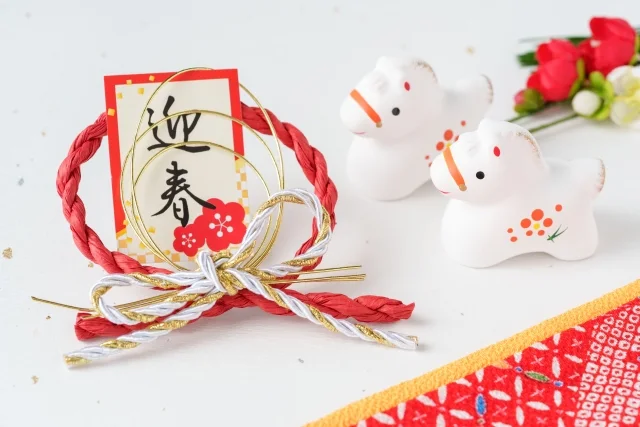
As the year comes to an end, Japan gradually transforms into a festival atmosphere to welcome the New Year. From traditional decorations displayed at home to the dishes served at the family table, everything is filled with symbolic meanings of blessings and good fortune. In this article, we will introduce the must-know traditions of the Japanese New Year, from Kagami Mochi, Kadomatsu, to Hatsumode and osechi cuisine, offering a closer look at how people in Japan welcome the start of a brand-new year.
Kagami Mochi & Kadomatsu|The New Year Decorations You Should Display!
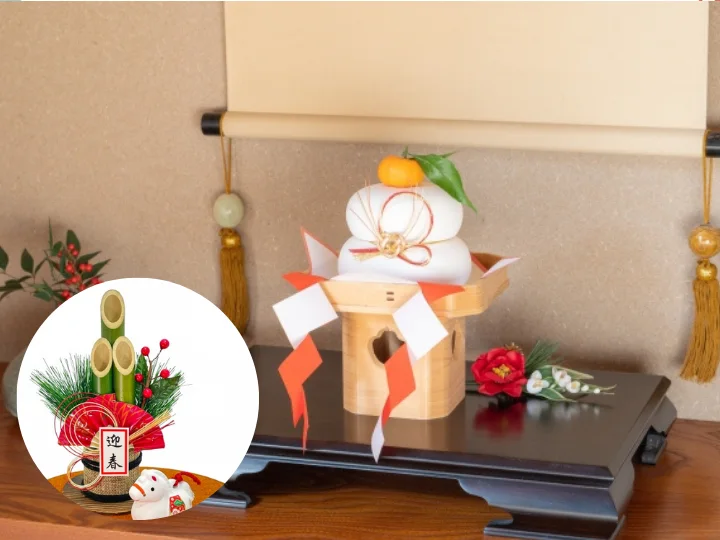
Important decorations for welcoming the Japanese New Year are typically set up from late December. Kagami mochi usually consists of two stacked rice cakes with a daidai orange on top. The word “daidai” sounds like “generations,” symbolizing completeness and the passing of good fortune through generations. Kadomatsu, made from bamboo and pine branches, is placed at the entrance to welcome the Toshigami (year deity), praying for happiness and a bountiful year ahead.
Nengajo (New Year’s Cards)|A must-have for sending greetings and expressing gratitude!
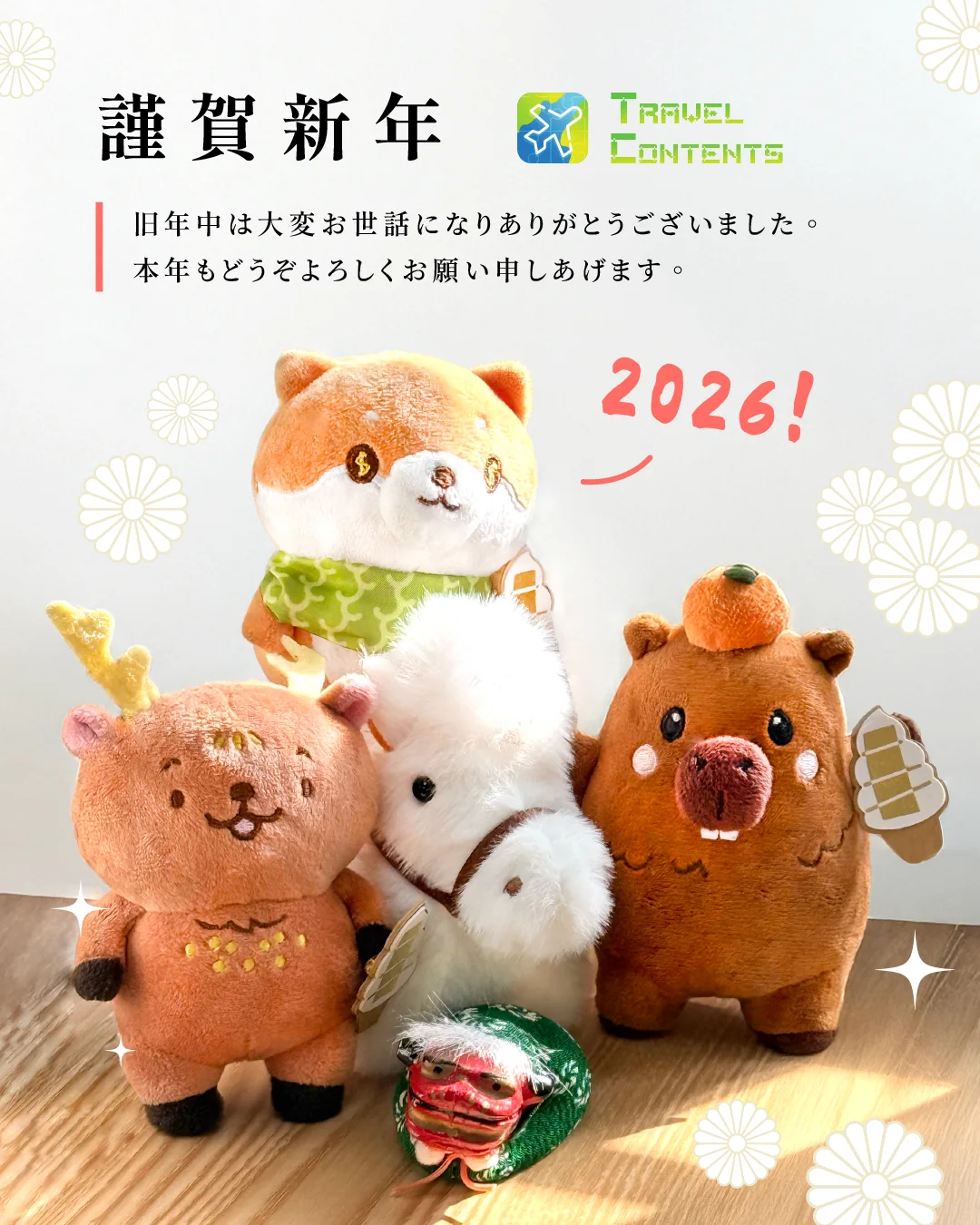
Nengajo, Japan’s version of New Year’s cards, are used to send greetings and express gratitude to friends, teachers, relatives, or business partners. To ensure timely delivery, they are usually mailed in mid to late December, with postal workers aiming to deliver them by January 1 or early January.
Toshikoshi Soba (Year-Crossing Buckwheat Noodles)|Eating soba noodles before the New Year?!
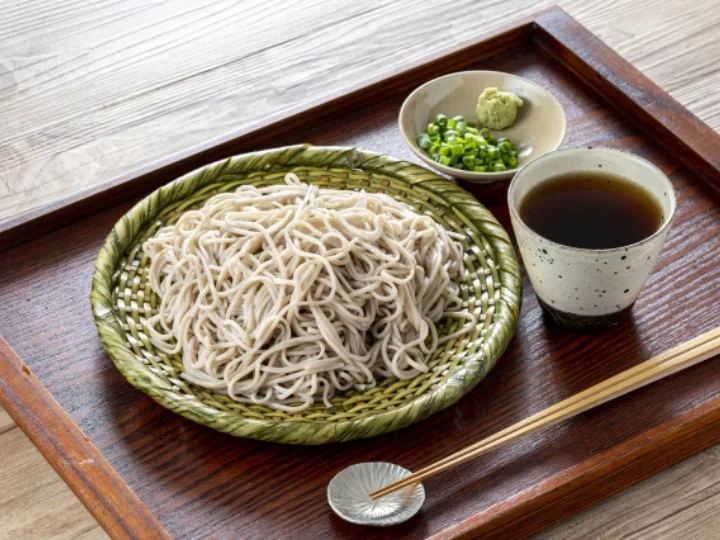
A must-eat on December 31! It symbolizes health and longevity. The long soba noodles represent a smooth and prosperous life, while their tendency to break easily signifies cutting off the misfortunes of the past year and preparing for a fresh start.
Joya no Kane (New Year’s Eve Bell)|Ring in the New Year and wash away your worries with each chime
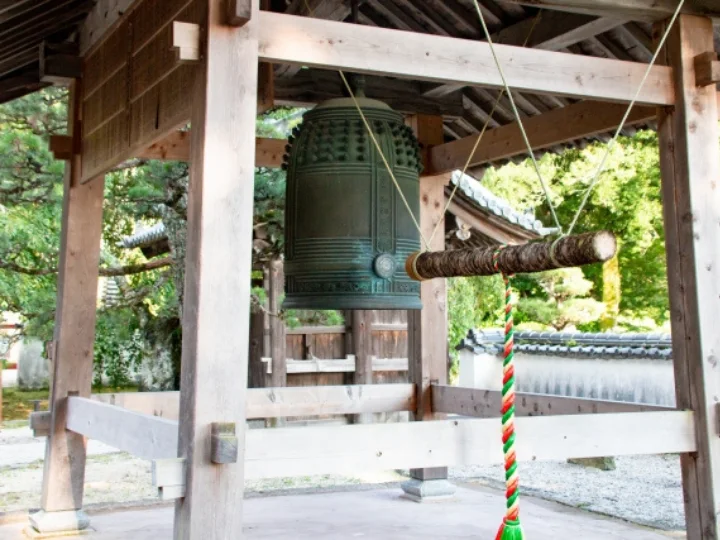
On New Year’s Eve, Japanese temples ring the bell 108 times. The 108 chimes are said to represent the 108 human sins or worldly desires, and each strike washes away one worry, allowing people to welcome the New Year with a pure heart. The final chime is rung on January 1, letting all troubles drift away and ushering in a bright, fresh year.
Hatsumode (First Shrine Visit of the Year)|Pray for a smooth and prosperous year
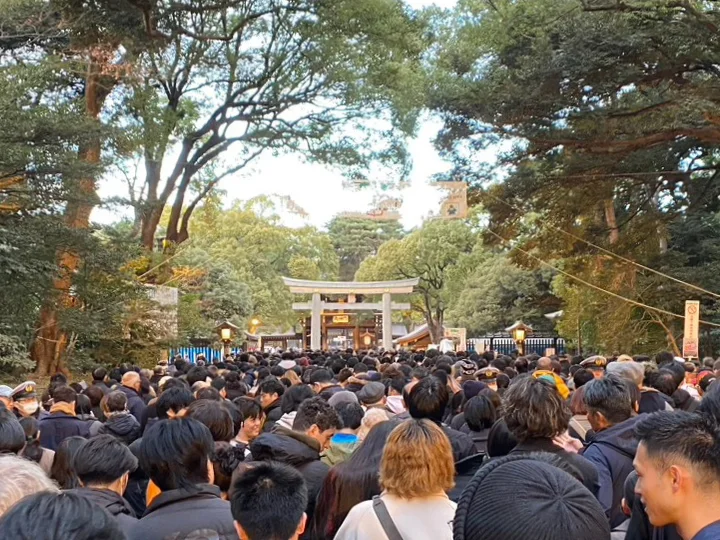
Hatsumode refers to the first shrine or temple visit of the year, typically taking place between January 1 and 3. People go to pray for peace and good fortune in the new year, draw fortune slips (omikuji), purchase protective charms (omamori), or write their wishes on wooden plaques (ema). During this period, shrines and temples are bustling with people, creating a solemn yet joyful atmosphere.
Otoshidama(Red Envelope)|Not your typical red envelope in Japan!
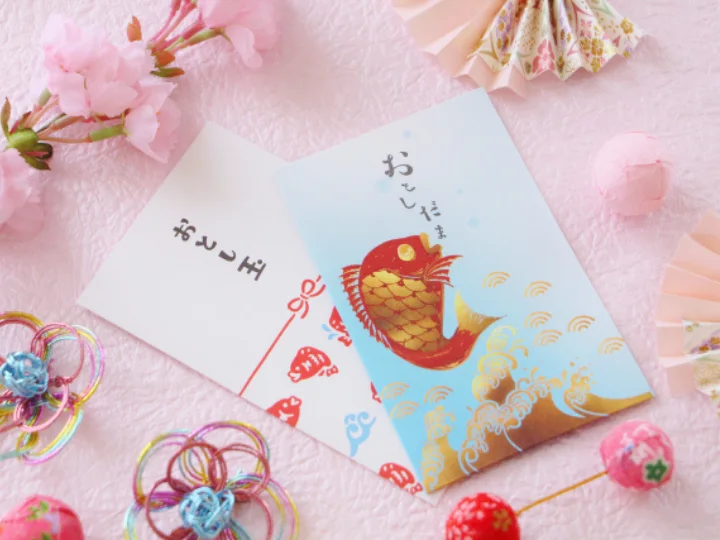
Starting January 1, Japanese parents or elders give children otoshidama, a New Year’s gift of money. Unlike in Taiwan, the envelopes are usually white! The amount varies by relationship and age, symbolizing blessings and encouragement.
Osechi Cuisine and Sushi|Enjoy these traditional New Year’s cold platters~
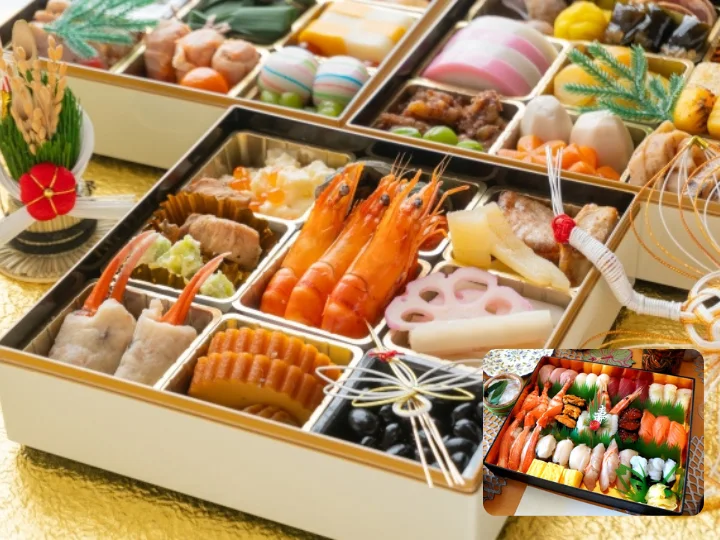
During the New Year, families prepare Osechi cuisine, a set of dishes where each item carries a special meaning—black beans symbolize diligence, shrimp represents longevity, and fish roe signifies prosperity for future generations. Sushi is also commonly enjoyed, usually as assorted platters that the whole family can share.
Kagami Biraki & O-zoni|Opening the kagami mochi to welcome the New Year
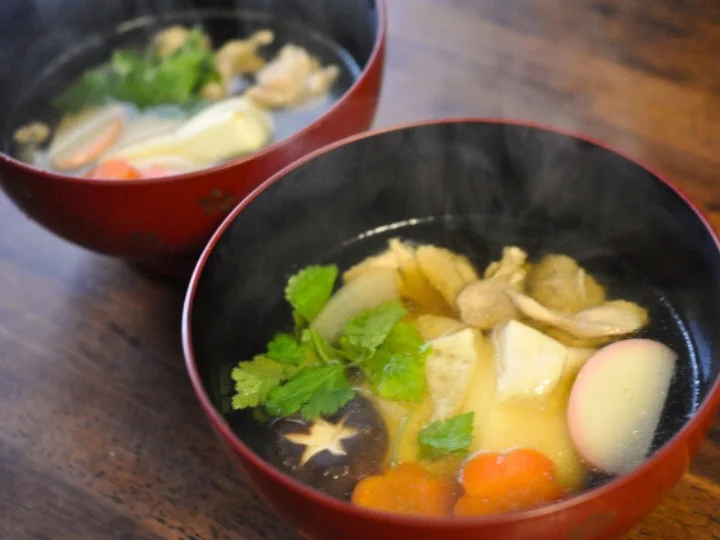
The Kagami Biraki ceremony is usually held on January 11. People take down the kagami mochi that was displayed during the New Year, praying for health and safety before eating it. Since using a knife on the offering is considered unlucky, the mochi is broken open with a wooden mallet, symbolizing the start of good fortune, and then cooked into o-zoni soup.
Japanese New Year traditions are filled with wishes for health, happiness, and a bright future. From ringing the Joya no Kane bell and eating soba noodles to visiting shrines for Hatsumode and performing Kagami Biraki, each ritual symbolizes a fresh start. Exploring these customs offers a deeper understanding of Japan’s culture. If you have the chance to visit Japan during the New Year, experiencing these traditions firsthand is a wonderful way to create lasting memories for the year ahead!
Image Source: photoAC


