News
All News
New Events
Travel Contents Buddy
Facility Updates
System Maintenance
Travel Guide
All
Osaka
Kyoto
Kobe
Okayama
Hiroshima
Wakayama
Tottori
Yamaguchi
Fukui
Tokyo
Okinawa
Hokkaido
Have Fun Pass
Japan
Tohoku
Kansai
Tokyo
Hokkaido
Okinawa
Okayama
Hiroshima
Wakayama
Tottori
Shimane
Yamaguchi
Fukui
Ishikawa
Toyama
Kagawa
Kyushu
Kitakyushu City & Shimonoseki City
Saga
Setouchi
Japan Food
Premium Pass
Okinawa Premium (KLOOK Exclusive)
Tokyo Premium (KLOOK Exclusive)
Kansai Premium
Coupons
Facilities
About Have Fun Pass
News
All News
New Events
Travel Contents Buddy
Facility Updates
System Maintenance
Travel Guide
All
Osaka
Kyoto
Kobe
Okayama
Hiroshima
Wakayama
Tottori
Yamaguchi
Fukui
Tokyo
Okinawa
Hokkaido
Have Fun Pass
Japan
Tohoku
Kansai
Tokyo
Hokkaido
Okinawa
Okayama
Hiroshima
Wakayama
Tottori
Shimane
Yamaguchi
Fukui
Ishikawa
Toyama
Kagawa
Kyushu
Kitakyushu City & Shimonoseki City
Saga
Setouchi
Japan Food
Premium Pass
Okinawa Premium (KLOOK Exclusive)
Tokyo Premium (KLOOK Exclusive)
Kansai Premium
Coupons
Facilities
About Have Fun Pass
About Have Fun Pass
Download APP
▶
A comprehensive travel e-ticket covering all regions in Japan
★Flexible choices ★ Redeem with QR code on your phone for use
Popular attractions & reasonable transport passes
Local Cuisine Recommendations & Shopping Discounts
Over
400
options
Home
>
Attraction
>
Page 2
AttractionFacilities
Filter
Explore the best tours
Ticket
ticket-dropdown
Select content
全部
Have Fun Pass
Premium A
Premium B
Premium C
ticket
Have Fun Pass
Premium A
Premium B
Premium C
Region
regional-dropdown
Select content
全部
Gunma
Ibaraki
Miyagi
Oita
Shizuoka
Nagasaki
Toyama
Shimane
Saga
Shiga
Hiroshima
Fukui
Ishikawa
Wakayama
Okayama
Kagawa
Fukuoka
Kanagawa
Tottori
Saitama
Nara
Tokyo
Okinawa
Kyoto
Yamaguchi
Hyogo
Yamanashi
Hokkaido
Osaka
Aichi
regional
Gunma
Ibaraki
Miyagi
Oita
Shizuoka
Nagasaki
Toyama
Shimane
Saga
Shiga
Hiroshima
Fukui
Ishikawa
Wakayama
Okayama
Kagawa
Fukuoka
Kanagawa
Tottori
Saitama
Nara
Tokyo
Okinawa
Kyoto
Yamaguchi
Hyogo
Yamanashi
Hokkaido
Osaka
Aichi
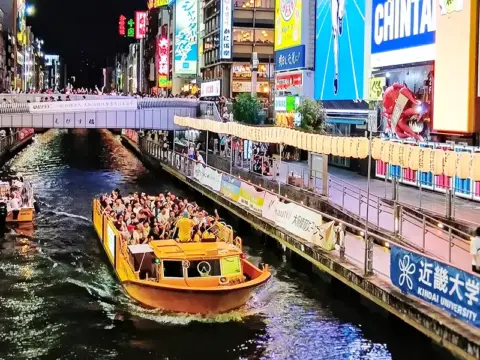
This is a 20-minute river cruise guided by a professional Osaka tour team, sailing along the Dotonbori River. From here, you can enjoy the “riverside scenery” of Osaka’s Minami area and Dotonbori. We invite you to experience one of the most popular and long-established Dotonbori cruises — the “Dotonbori River Cruise ” — and discover this new landmark in Osaka’s Minami district.
Osaka
Ipponmatsu Kaiun Dotonbori River Cruise
Boarding Ticket
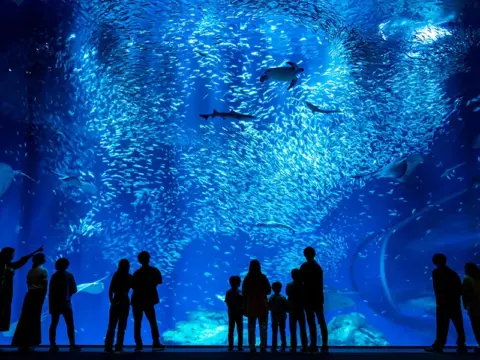
It’s not just about the breathtaking sharks! Home to around 68,000 marine creatures of approximately 580 species living in 60 tanks of various sizes throughout the facility, this aquarium will take you into a brand-new ocean world filled with vibrant life and emotion. Don’t miss “IWASHI LIFE,” where about 20,000 sardines swim in a spectacular synchronized display to music, along with the ever-popular dolphin and sea lion shows.
Ibaraki
Aqua World Ibaraki Oarai Aquarium
Admission Ticket
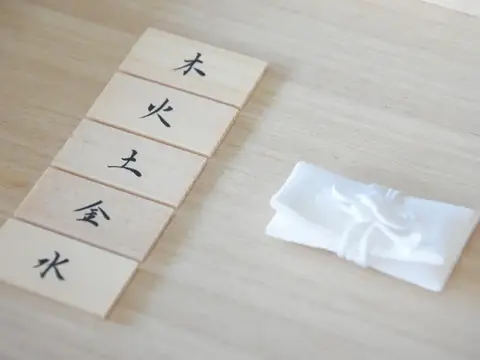
Since ancient times, in Eastern philosophy, it has been believed that all things are composed of the five elements—“wood, fire, earth, metal, and water.” These five elements not only influence the workings of the natural world, but are also closely connected to human mind and body, fortune, directions, and the seasons. The philosophy of Yin-Yang and the Five Elements is a natural worldview formed by combining Yin-Yang theory with the Five Elements. It regards the creation and transformation of all things as a cycle of “mutual generation” and “mutual restraint.” “Mutual generation” refers to the elements supporting and generating one another in sequence, while “mutual restraint” refers to them controlling each other to prevent excess. Through this cyclical interaction, balance and the continual creation of all things are maintained. It is said that wood generates fire, fire generates earth, earth generates metal, metal generates water, and water generates wood. Through this cycle of harmony, the order of heaven and earth is sustained. In Japan as well, since ancient times, great importance has been placed on nature and the Five Elements, with gratitude for the blessings of the sun and moon. People greet the sun in the morning, touch the earth, feel the flow of water, listen to the sounds of trees, experience the warmth of fire, and touch metal objects. At night, they gaze up at the moon. By engaging the five senses and experiencing nature, people coexist with nature, reflecting a fundamental philosophy of Japanese life. The Five-Elements omamori (amulet) embodies blessings that harmonize these five forces, helping to regulate the flow of energy in daily life so that one’s innate abilities can be fully expressed. From the five elements—wood, fire, earth, metal, and water—please choose the one you wish to protect or value most, place it in the omamori pouch, and carry it with you as a safeguard.
Fukuoka
Mekari Shrine (a religious corporation)
Five-Elements Omamori (amulet)
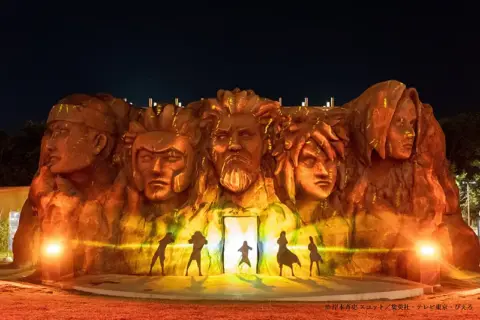
This is a great-value direct bus package that includes a round-trip highway bus ticket from the Kobe area and a Light Ticket for “NARUTO & BORUTO SHINOBI-ZATO” at Nijigen no Mori. Passengers from the Kobe area may also board and alight at “Awaji Interchange.” ★Travel to the Nijigen Nomori and widely popular ""NARUTO&BORUTO"" themed park in Kansai by taking NARUTO&BORUTO themed design, take this opportunity to have this package to save time money on your journey!※Please note that there may be times to use the bus other than the NARUTO&BORUTO themed bus under the vehicle arrangement. ★The highway bus takes approximately 40 minutes from Sannomiya Bus Terminal to Nijigen no Mori. ★There is no need to worry about the packaging covering the vehicle, just enjoy the beautiful scenery along Awaji Island. [Available Attractions] NARUTO & BORUTO Shinobi Village ① Heaven Scroll (3D Maze) Duration ② Earth Volume (Mission Rally) Duration ③ Projection Mapping ※Evening only Duration
Hyogo
“NARUTO & BORUTO SHINOBI-ZATO” at Nijigen no Mori
①1pcs of each departure and return bus ticket (Shin Kobe Station/Sannomiya Bus Terminal ⇒ Nijigen no Mori) ②1pcs of admission ticket for [NARUTO&BORUTO SHINOBI-ZATO]
Kitakyushu’s gateway—Kitakyushu Airport. At the Mt. SARAKURA TEN-KYU SKYLOUNGE restaurant, you can enjoy a unique experience while overlooking the runway, accompanied by exquisite cuisine. During your meal, a selection of local Kitakyushu specialties and souvenirs is also available.
Miyagi
Michinoku Date Masamune Historical Museum & Matsushima Trick Art Special Exhibition
Combined Admission Ticket + 2 Grilled Oysters Set
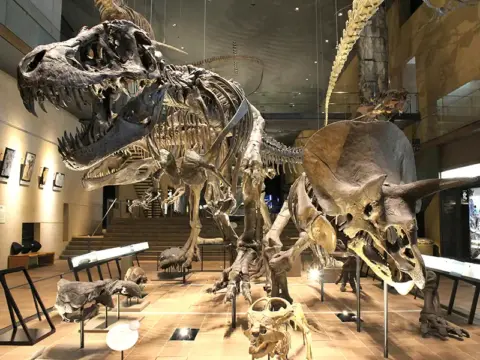
This is the largest natural history and history museum in western Japan, showcasing the development of humans and life on Earth from 4.6 billion years ago to the present. The museum features impressive dinosaur skeletons, and visitors can experience the ancient world through dynamic dinosaur-themed exhibits. Its rich collection of historical artifacts allows you to explore how people’s lifestyles have changed over time. Children and adults alike can learn while having fun, enjoying a full day of exploration and discovery.
Fukuoka
The Kitakyushu Museum of Natural History & Human History
Admission Fee (Adult) +Shopping Coupon
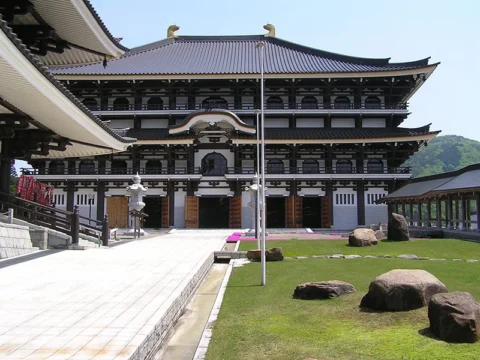
This sacred site was founded approximately 1,200 years ago during the Tenpyō era as Yakushi-ji Temple on Mount Yaku by the monk Gyōki. It is a historic temple with ties to Kōbō Daishi, who is said to have visited here. Rebuilt in 1543 (Tennō 11) after being destroyed by natural disaster, it was renamed Chōraku-ji Temple on Mount Kawaikai. Centuries later, in April 1994 (Heisei 6), the consecration ceremony was held for the world's largest wooden Buddha statue. Supported by a stage of 115 pillars (each 1.2 meters in diameter), Chōraku-ji stands majestically atop Mount Kawaikai. Surrounded by beautiful mountains on all sides, it is a grand temple blessed with magnificent natural views overlooking the Yada River below. ● The central hall enshrines a statue of Shakyamuni Buddha, with a statue of Amida Buddha to the left and a statue of Yakushi Buddha holding a medicine jar to the right. ● Over 20,000 Chinese Buddhist sculptors worked for three years to create these statues, which were then shipped across the sea and assembled in the Great Buddha Hall. ● Constructed from camphor wood using the yosegi-zukuri technique, it is covered with 1.32 million sheets of gold leaf (21.8kg), radiating a golden brilliance. ● The central Shaka Nyorai statue stands 15.8m tall, reaching a total height of 25.3m including its halo, Sumeru pedestal, and lotus base. ● The expressions of the Three Great Buddhas, each conveying their own distinct character, sit before the people with dignified, serene gazes full of benevolence. ● The 70-meter-tall five-story pagoda is the second tallest in Japan. Within its inner sanctuary, each level houses 51 marble and gold-leaf Buddha statues.
Hyogo
Tajima Daibutsu
Admission Ticket and Goshuin
Just a 5-minute walk from Odori and Susukino! This urban aquarium is located on the 4th to 6th floors of the commercial facility “moyuk SAPPORO” in Tanukikoji Shopping Street. You can observe penguins, jellyfish, and other rare creatures up close, allowing you to experience nature right in the city. Enjoyable for both adults and children, regardless of bad weather like rain or snow. Open until 10 PM, it's perfect for nighttime sightseeing in Sapporo. Food and drinks (including croissants and alcoholic beverages) are available on all floors, allowing you to relax freely and unwind.
Hokkaido
AOAO SAPPORO
Admission Ticket
Japan's Largest Ninja Museum —— A one-of-a-kind ninja theme facility where you can experience over 300 authentic ninja tools
Gunma
Iwabitsu Sanada Ninja Museum “Ninpaku”
Admission Ticket
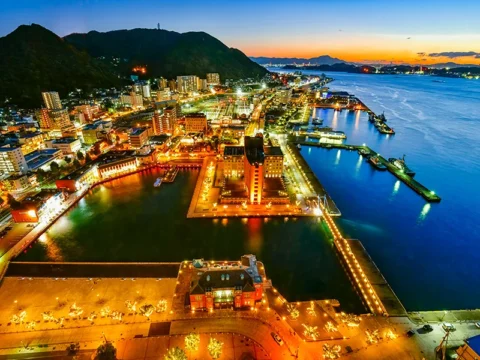
This is a discounted pass that allows you to visit three facilities in the Moji Port Retro Area. <Applicable Facilities> Kanmon Strait Museum Mojiko Retro Observatory Former Moji Mitsui Club (2nd-Floor Paid Area)
Fukuoka
Moji Port
Retro Free Pass (3 Facilities)
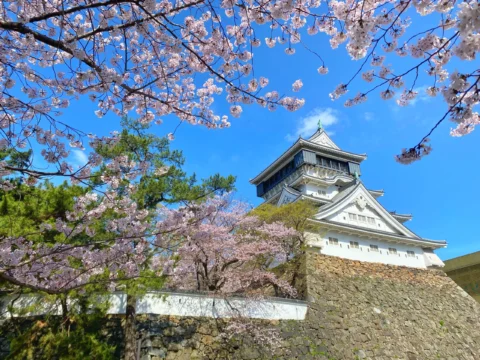
Built in the late Sengoku period, Kokura Castle features a unique Tang-style keep, with the fifth floor wider than the fourth. Stroll through the castle garden, enjoy the scenic views. In spring, around 300 cherry trees bloom, making it a top cherry blossom viewing spot.
Fukuoka
Kokura Castle
Adimission Ticket + Garden Adimission Ticket + Castle Seal Stamp
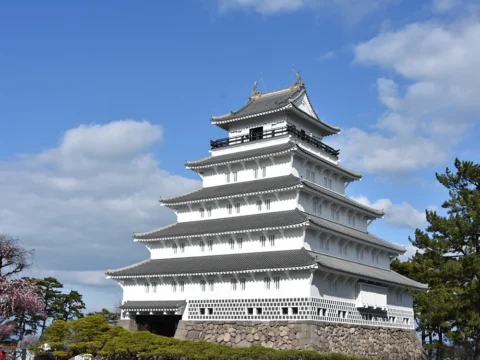
This is a package that includes the Shimabara Castle Main Keep admission ticket and the symbolic castle seal stamp commemorating your visit. From the top floor of the Main Keep, enjoy breathtaking views, and explore valuable exhibitions showcasing the history of Christianity in Japan, allowing you to experience the unique historical charm of the region. Take home the memorable feelings from your visit along with the symbolic seal stamp as a keepsake.
Nagasaki
Shimabara Castle
Admission Ticket + Castle Seal Stamp Set
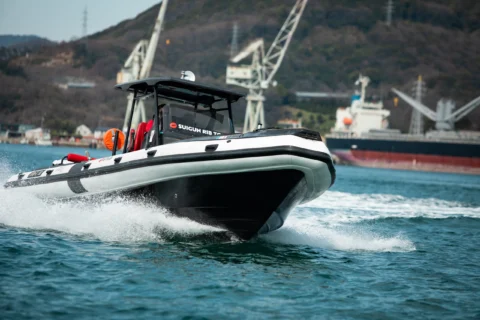
Discover Onomichi’s rich history, the legendary Murakami Navy, and the stunning scenery of the Seto Inland Sea on this exciting adventure cruise. Our high-speed RIB (Rigid-Hulled Inflatable Boat) is renowned for its stability, ensuring a smooth ride without seasickness. Relax and enjoy sightseeing from the water. If you’re unsure about your Onomichi itinerary, this cruise offers a refreshing, educational, and unforgettable experience that combines adventure with scenic beauty and cultural insight.
Hiroshima
SUIGUN RIB TOURS CRUISE
¥1,300 Discount Voucher
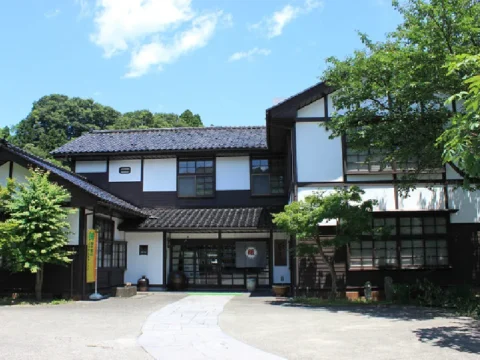
The Washibunko exhibits a collection of rare folk crafts and handmade artworks, all centered around the theme of “paper.” The wooden, tile-roofed building originally served as an annex of an elementary school in the mountainous area of Yatsuo Town. It was later relocated and reconstructed at its current location. A gentle, refreshing breeze flows in year-round from the nearby river, creating a calm and pleasant atmosphere. Here, you can relax and enjoy the peaceful surroundings while taking in the seasonal beauty of Yatsuo Town.
Toyama
Etchu Yatsuo Washibunko
Admission Fee + 500 Yen Coupon
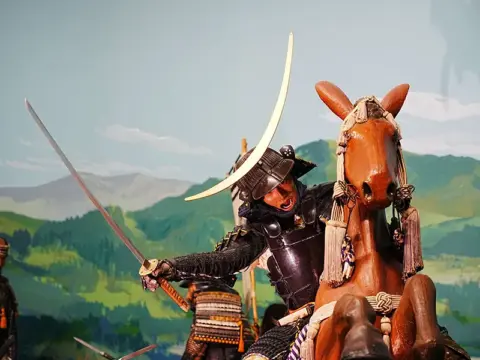
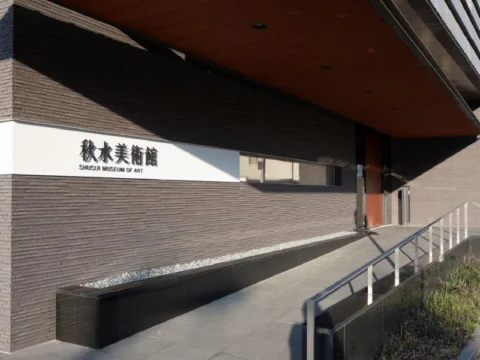
One of the few art museums in Japan dedicated to the theme of Japanese swords. The Shusui Museum of Art primarily features a collection of Japanese crafts from the medieval period to the present. Through its exhibitions and programs, the museum introduces artworks that embody the noble spirit and uniquely Japanese aesthetics cultivated by our ancestors throughout a long history and tradition.
Toyama
Shusui Museum
Admission Ticket
View all Facilities
×
regional-more
Hiroshima
pass
Hiroshima
Japan
Setouchi
X
X
X
Language
繁體中文
日本語
한국어
簡体中文
繁體中文
日本語
한국어
簡体中文