

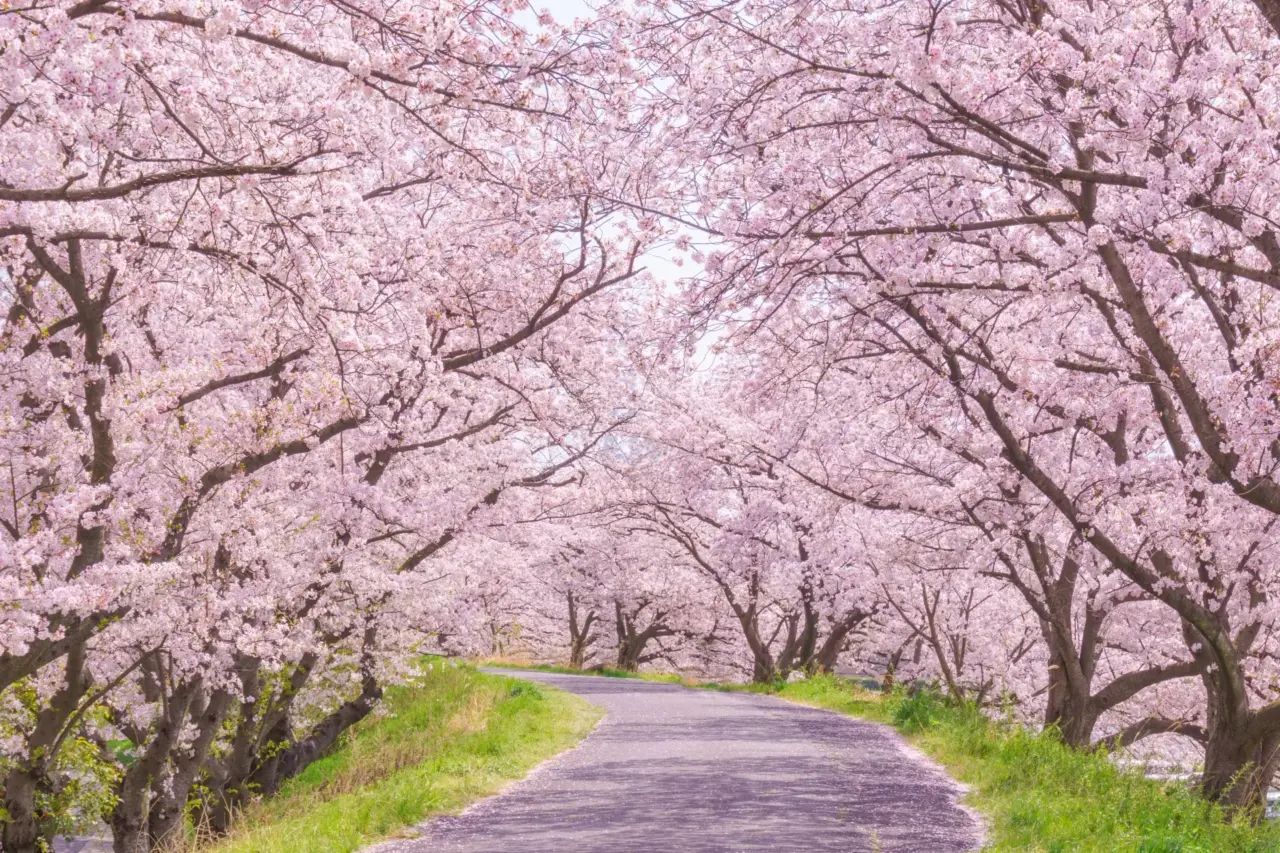
Every spring, cherry blossoms bloom across Japan, but truly enjoying them is more than just taking photos with your phone! Do you know the difference between Somei Yoshino and Yaezakura cherry trees? Do you know the best way to secure a good viewing spot? This guide will help you master the cherry blossom forecast, understand the different cherry blossom varieties and hanami culture, and explore carefully selected viewing spots in Kansai, Kanto, and Hokkaido—making it easy to plan your cherry blossom trip!
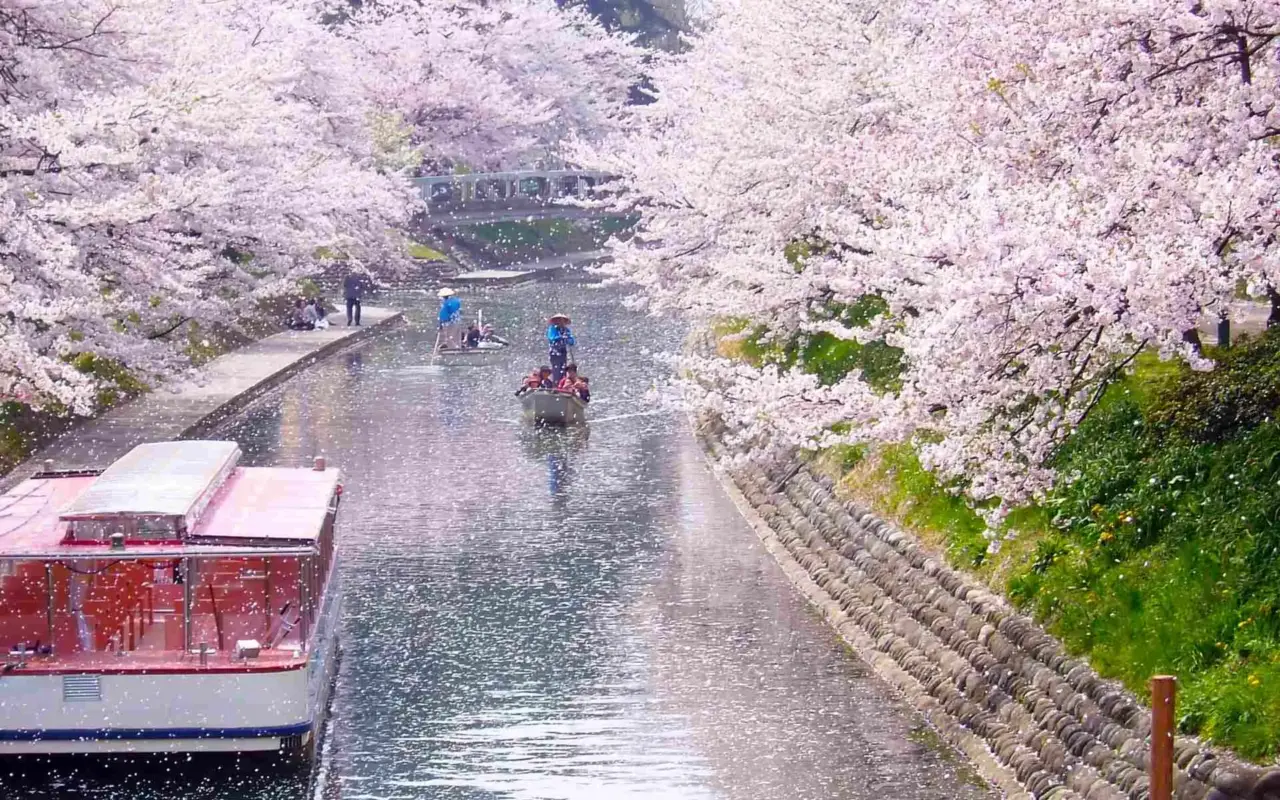
Image Source:photoAC
From South to North: A Complete Guide to Japan’s Cherry Blossom Bloom Dates
Anyone who has chased cherry blossoms knows that “timing” is everything. The bloom in Japan is like a limited-time relay, starting from the southern islands and moving steadily north. If you want to catch the blossoms at their peak and avoid seeing the leftover petals after the sakura storm—here’s the latest 2026 bloom forecast, from the winter surprises in January to the finale in May. It’s sure to be a handy guide for planning your hanami adventure!
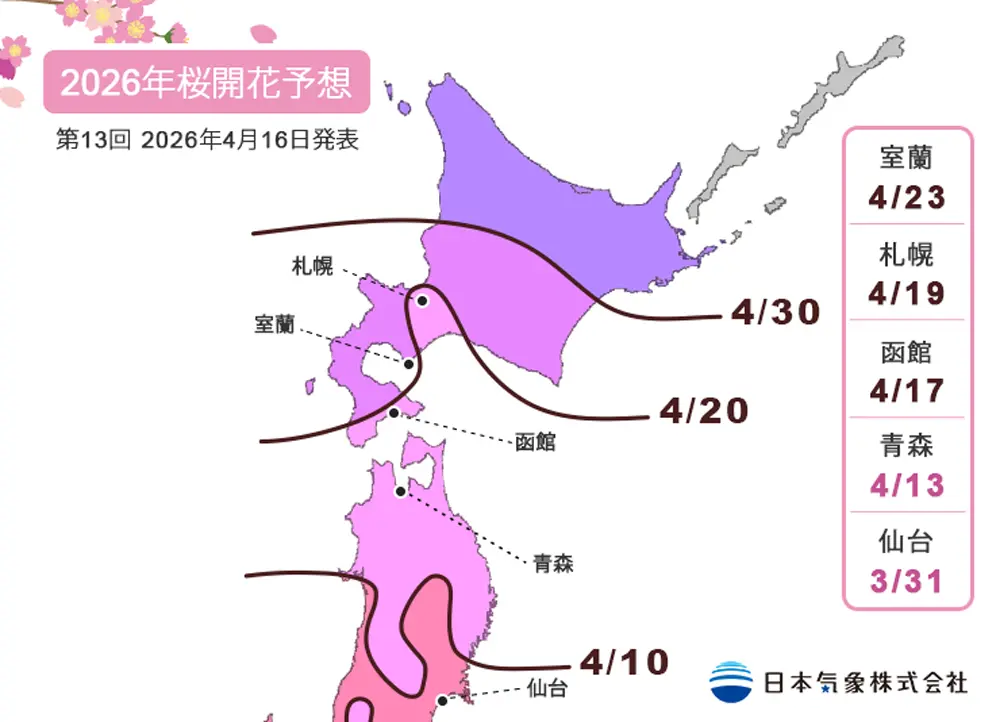
Image Source:日本気象株式会社
First Stop for Cherry Blossoms: The Southern Islands’ Winter Prelude (January – February)
While everyone else is still bundled up in coats, cherry blossoms in southern Japan are quietly awakening. In Naha, Okinawa, the Kanhi-zakura (Higan cherry) blooms first, coloring the streets from mid-January to early February—making it the earliest place in Japan to welcome the feeling of spring.
Second Stop for Cherry Blossoms: Peak Bloom in Honshu and Kyushu (Late March)
This is the golden zone for cherry blossom viewing. Most popular cities start blooming at the end of March: Nagoya and Kochi are expected to bloom first around March 17; Fukuoka and Tokyo around March 19; Osaka and Kagoshima between March 24–26; and Kanazawa is predicted to take over on March 31.
Third Stop for Cherry Blossoms: Late Spring Romance in Tohoku and Hokuriku (Early April)
Viewing cherry blossoms in mid-April is a great way to avoid the crowds. Here, the blooms come later but are spectacular: Sendai is expected to bloom around March 31 ; Niigata and Nagano from March 26- April 2; and Akita and Aomori between April 9–14.
Fourth Stop for Cherry Blossoms: Hokkaido’s Grand Finale (Late April – May)
If you miss the earlier blooms, Hokkaido’s Ezo cherry trees offer the final chance. Sapporo is expected to bloom between April 23–27, while Kushiro sees the latest blossoms in Japan, around May 7.
How to Keep Up with Real-Time Cherry Blossom Updates?
Another challenge when viewing cherry blossoms is that forecasts can’t always keep up with the changes. Before you set out, it’s recommended to cross-check the following websites to stay updated with the latest cherry blossom news:
- 日本気象株式会社:Offering detailed forecasts across multiple timeframes, it’s an essential guide for cherry blossom chasers.
- Weathernews: Features a nationwide cherry blossom bloom map, making it easy to understand the information at a glance.
- 桜ナビ(Sakura Navi)i: Ideal for checking detailed, real-time updates on specific cherry blossom viewing spots.
Image Source:photoAC
Selected Cherry Blossom Viewing Spots in Kansai, Kanto, and Hokkaido
After reviewing the cherry blossom bloom periods across Japan, this section highlights some of the most popular viewing spots in three major regions—Kansai, Kanto, and Hokkaido. Whether it’s your first time enjoying the blossoms or you’re hoping to avoid the crowds, these selections can serve as a helpful reference when planning your trip. Let’s take a look!
Kansai Region (Late March – Early April)
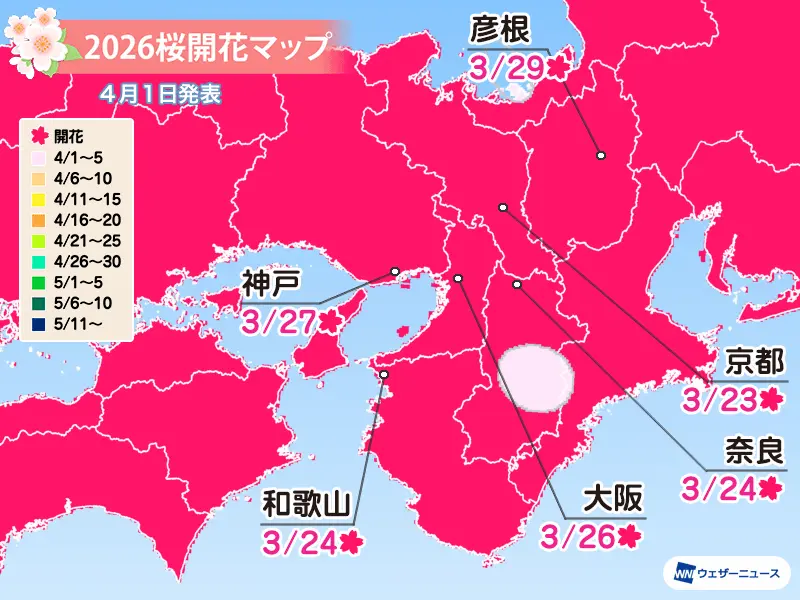
Image Source:Weathernews
👉Osaka Castle Park
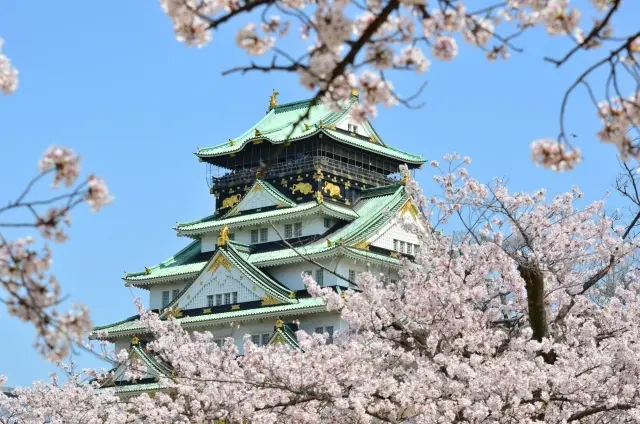
Image Source:photoAC
Around 3,000 cherry trees bloom around the castle keep, and during peak bloom, a nighttime illumination event is held. Whether by day or night, you can enjoy Osaka Castle in full bloom from different perspectives, each offering its own unique charm!
- Reference Full Bloom Date for 2025: April 4
- Address: 540-0002 Osaka Castle, Chuo Ward, Osaka
👉Osaka Mint Bureau
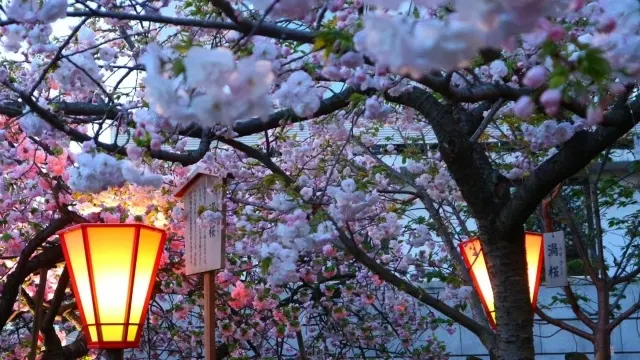
Image Source:photoAC
When it comes to the Osaka Mint Bureau, the “Sakura Avenue” is a must-visit. Every year, it opens to the public for about one week in April for free. The grounds feature around 140 cherry blossom varieties, including not only the common Yaezakura but also rare types like Ōtemari and Kotemari. Please note that entry requires advance reservation, typically available on their official website from mid-March, so be sure to check the latest announcements before your visit.
- Reference Dates for 2025 Entry: April 5 – 11
- Address: 1-1-79 Tenma, Kita Ward, Osaka
👉Daigo-ji Temple
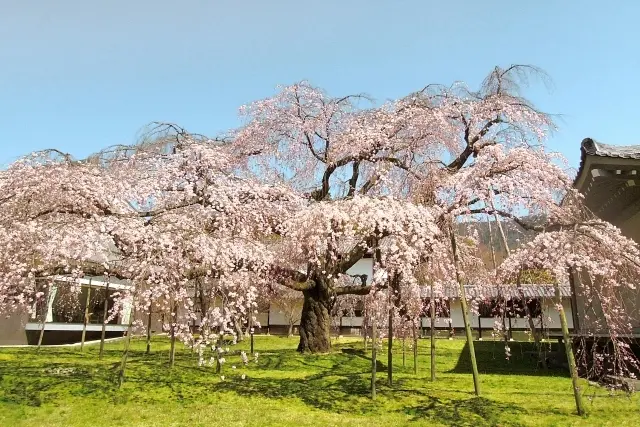
Image Source:photoAC
When visiting Kyoto, don’t miss Daigo-ji Temple, a UNESCO World Heritage site. The temple grounds feature around 700 cherry trees, with one of the highlights being the massive weeping cherry tree (shidare-zakura). Its blossoms cascade like a waterfall, creating a cinematic and truly unique spectacle.
- Reference Full Bloom Date for 2025: March 31
- Address: 22 Daigo Higashioji-cho, Fushimi Ward, Kyoto
Kanto Region (Late March – Early April)
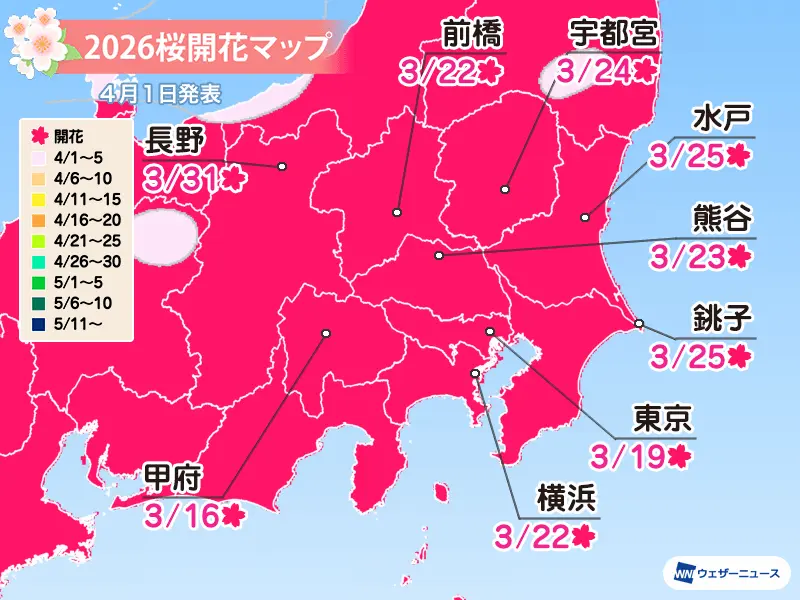
Image Source:Weathernews
👉Meguro River
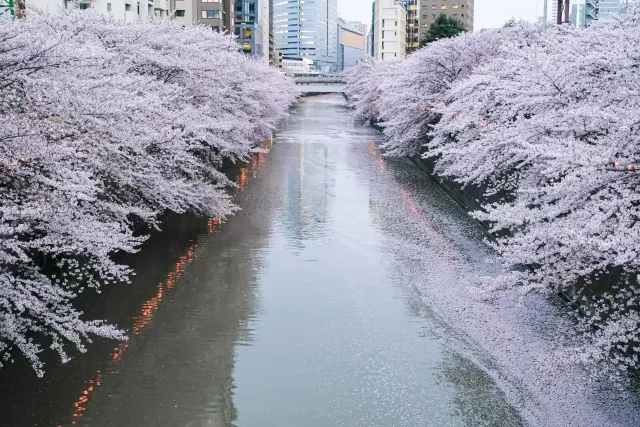
Image Source:photoAC
Just a five-minute walk from Meguro Station, you’ll be greeted by the full bloom of approximately 800 cherry trees lining the river, forming a dreamy pink tunnel. When a gentle breeze blows, petals drift onto the water, creating a romantic springtime scene. In the evening, the illuminated cherry blossoms add an enchanting charm, with the lights and reflections on the water creating an even more poetic atmosphere.
- Reference Full Bloom Date for 2025: March 30
- Address: 1-10 Ōhashi to 2-9 Shimomeguro, Meguro Ward, Tokyo
👉Chidorigafuchi
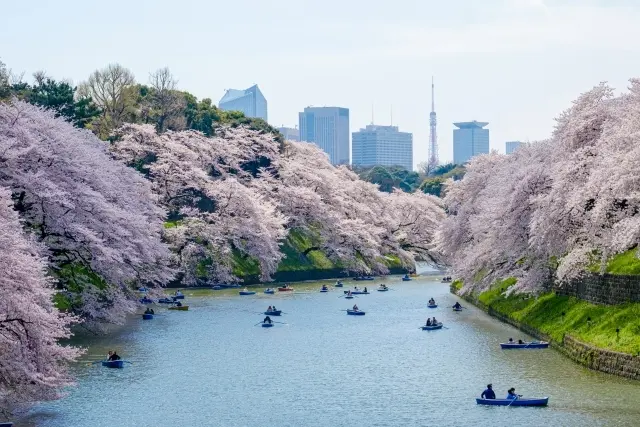
Image Source:photoAC
Located next to the Imperial Palace, Chidorigafuchi is famous for “cherry blossom viewing from the water.” Taking a small boat along the moat, you’ll be surrounded by fully bloomed Somei Yoshino cherry trees on both sides, as if drifting through a sea of pink petals. It’s recommended to start from the Yasukuni Shrine side and stroll along the path toward Chidorigafuchi to fully enjoy the springtime cherry blossom atmosphere.
- Reference Full Bloom Date for 2025: March 31
- Address: 2 Kudanminami–3 Sanbancho, Chiyoda Ward, Tokyo
👉Shinjuku Gyoen National Garden
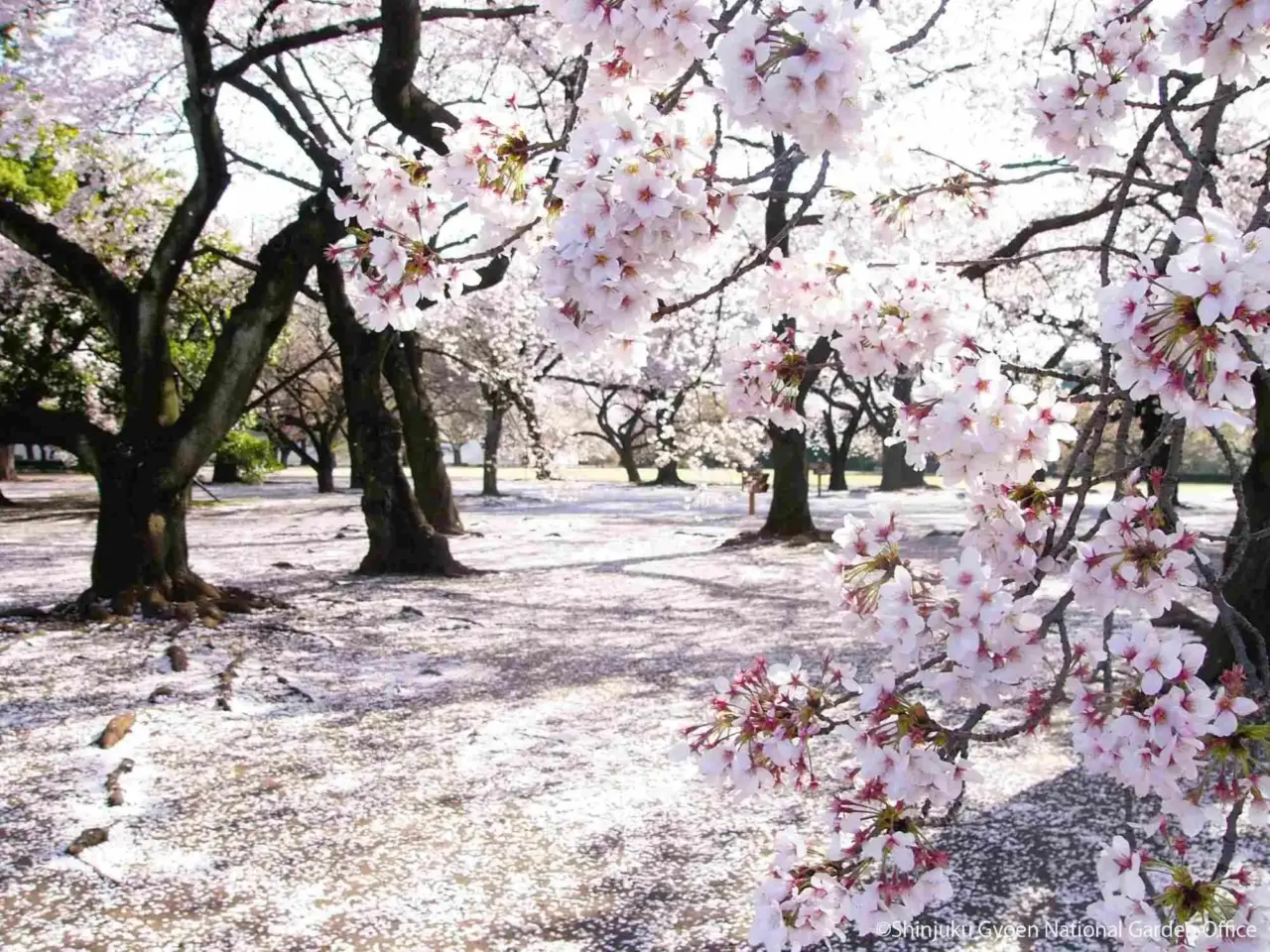
Image Source:©Shinjuku Gyoen National Garden Office
Shinjuku Gyoen was once a royal garden used to entertain nobles and guests. It features over 1,000 cherry trees across 65 different varieties, allowing the bloom period to extend from around February to the end of April. A helpful tip: during peak bloom, the garden often requires advance reservations, so be sure to check the official announcements before your visit.
- Reference Full Bloom Date for 2025: April 1
- Address: 11 Naitōchō, Shinjuku Ward, Tokyo, Japan
Hokkaido Region (Late April – Mid-May)
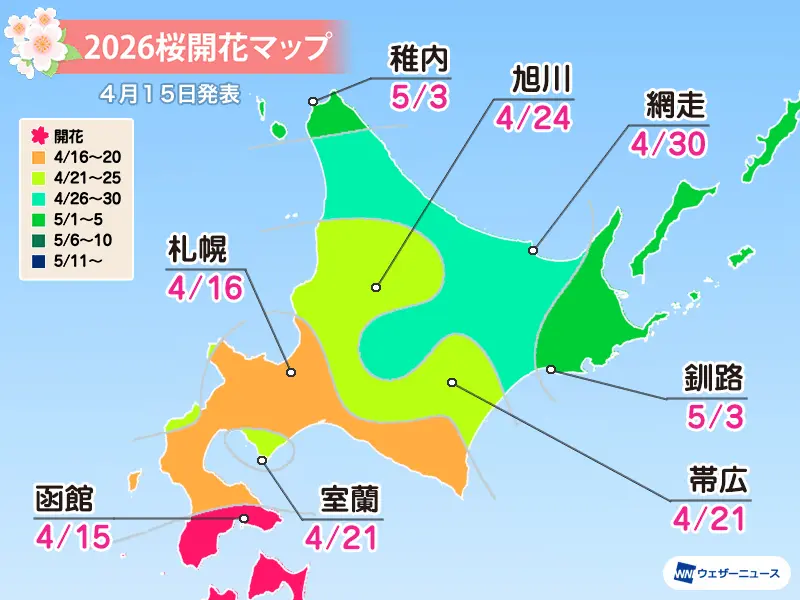
Image Source:Weathernews
👉Goryokaku Park
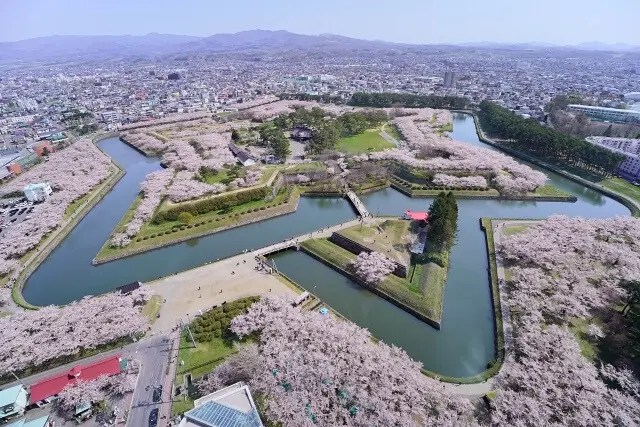
Image Source:photoAC
Located in Hakodate, Goryokaku Park features around 1,500 cherry trees blooming along its unique star-shaped moat. Viewed from the Goryokaku Tower, it resembles a star surrounded by pink blossoms. Whether strolling along the moat or admiring the view from above, you can enjoy its beauty from different perspectives.
- Reference Full Bloom Date for 2025: April 28
- Address: 44 Goryokakucho, Hakodate City, Hokkaido
👉Maruyama Park
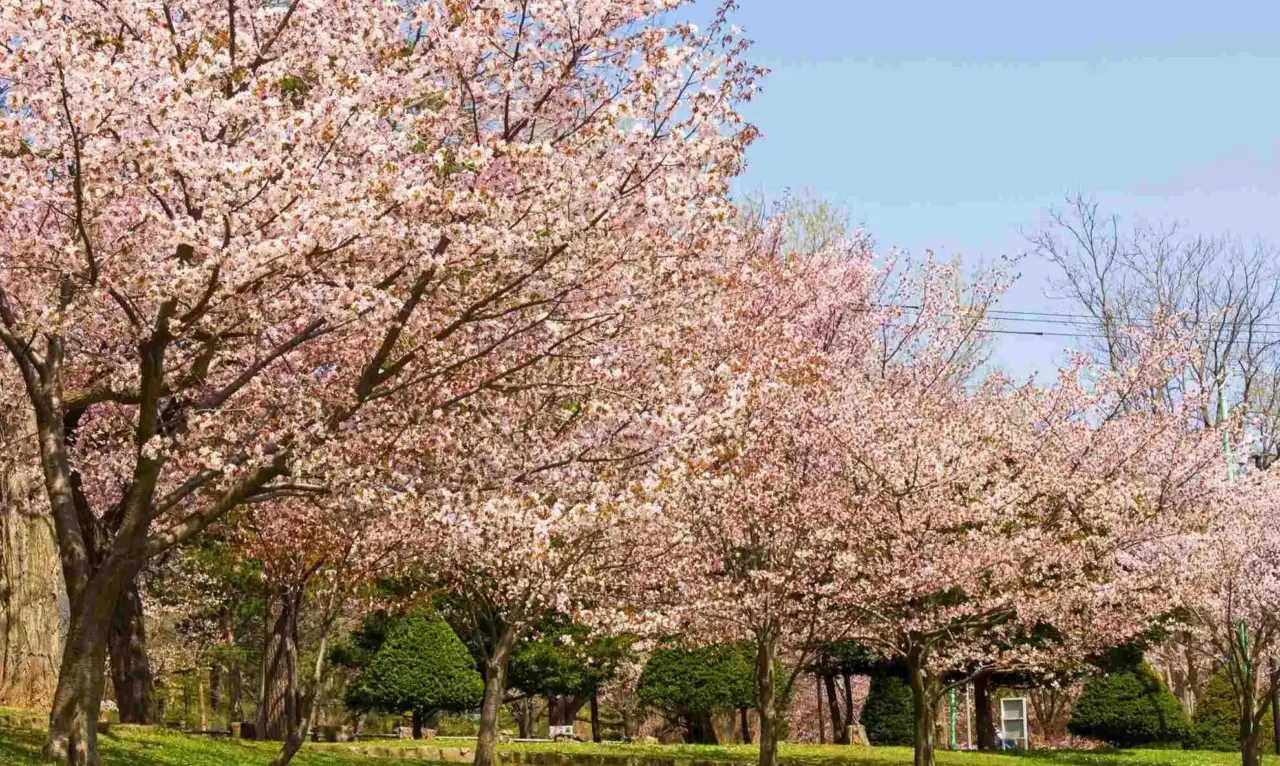
Image Source:© 2023 円山公園
Located in Sapporo, Maruyama Park sits adjacent to Hokkaido Shrine. Together, they feature over 1,000 cherry trees, including the vividly colored Ezo cherry blossoms. The rich hues and full bloom of the flowers beautifully complement the historic shrine architecture, showcasing Hokkaido’s unique spring charm. When the blossoms are at their peak, the entire park is bathed in soft pink, creating a serene and rejuvenating atmosphere as you stroll through.
- Reference Full Bloom Date for 2025: April 28
- Address: Miyagaoka, Chuo Ward, Sapporo City, Hokkaido
👉Moerenuma Park
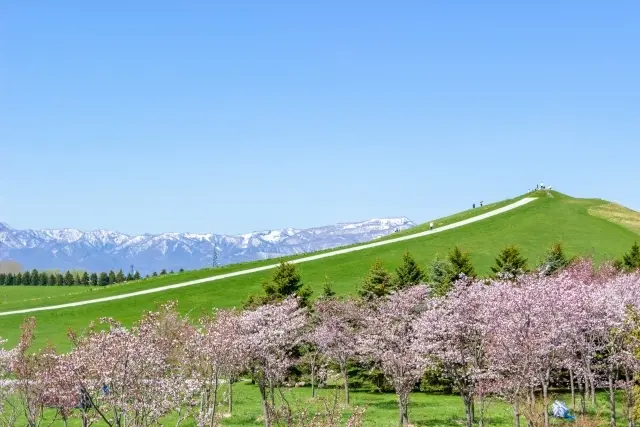
Image Source:photoAC
Around 1,600 cherry trees bloom across the park’s expansive geometric landscapes! Designed by the world-renowned sculptor, the park features a glass pyramid, fountains, and uniquely shaped playgrounds, allowing visitors to enjoy both cherry blossoms and the harmonious blend of art and nature.
- Predicted Full Bloom Date for 2026: May 5
- Address: 1-1 Moerenuma Park, Higashi Ward, Sapporo City, Hokkaido
Introduction to Japanese Cherry Blossom Varieties: Differences Between Somei Yoshino, Yaezakura, and Kawazu-zakura
In fact, cherry blossom viewing was not originally the trend in Japan; plum blossom viewing came first! In earlier times, nobles would enjoy the plum blossoms while composing poetry and singing. It wasn’t until the Heian period, when Emperor Saga, who loved cherry blossoms, held the “Hanami Festival” at Kyoto’s Shinsen-en, that the practice of cherry blossom viewing began to spread widely.
The cherry blossoms’ extremely short bloom period embodies the uniquely Japanese aesthetic of mono not aware—a sensitivity to the fleeting nature of beauty. Beyond being a seasonal spectacle, sakura symbolizes the transience of life and the importance of cherishing the brilliant moments of the present.
Somei Yoshino(ソメイヨシノ)
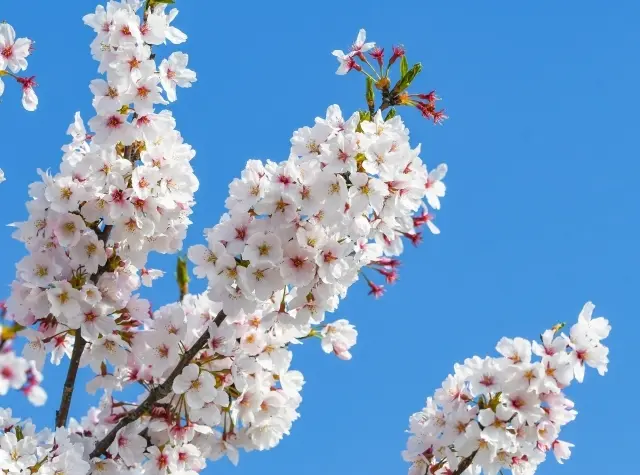
Image Source:photoAC
Somei Yoshino is one of the most common and iconic cherry blossom varieties in Japan. When it first blooms, the flowers have a soft pink hue, which gradually turns white as they fully open. The bloom period is very short—about a week at full bloom, making the blossoms even more precious. Since most flowers bloom almost simultaneously, they often create a spectacular sea of cherry blossoms in a short period, evoking a sense of spring’s arrival. When the petals drift in the wind, it forms a classic image in Japanese culture, symbolizing the coexistence of beauty and impermanence.
Kawazu-zakura(カワヅザクラ)
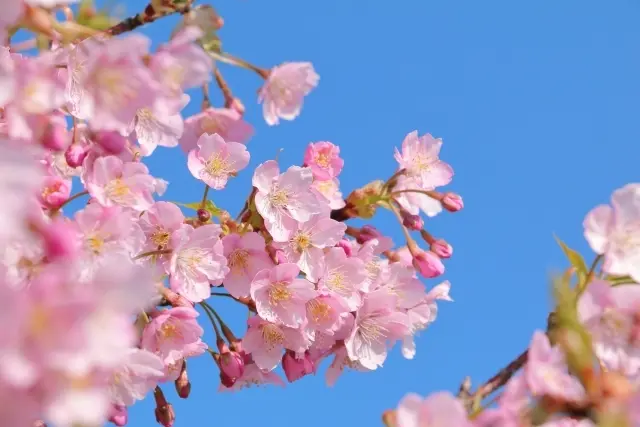
Image Source:photoAC
This cherry blossom variety was first discovered in Kawazu Town, Shizuoka Prefecture, which is how it got its name, “Kawazu-zakura.” Known as one of Japan’s famous early-blooming cherry trees, Kawazu-zakura typically starts flowering in early February. Its bloom period can last up to a month, and its petals are a deeper pink compared to the pale hues of Somei Yoshino.
Yaezakura(ヤエザクラ)
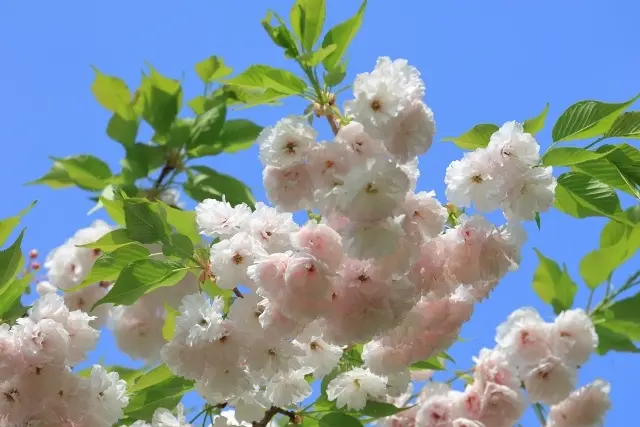
Image Source:photoAC
Yaezakura isn’t a single variety but a collective term for double-flowered cherry trees. Because the petals overlap, the blooms appear full and lush, almost like hydrangeas—truly stunning! Yaezakura blooms about one to two weeks later than Somei Yoshino and lasts longer, often serving as the grand finale of the cherry blossom season. The flowers are typically deep pink or rosy, and the layered petals create a visually rich display, making them perfect for close-up viewing and photography.
Before heading to Japan for cherry blossom viewing, get familiar with these aspects of Japanese hanami culture
Japan’s hanami originally began as plum blossom viewing and has since come to broadly mean cherry blossom viewing. It’s a long-standing cultural tradition. Most people spread picnic mats on the grass, enjoying bento, drinks, or even sake while admiring the fully bloomed cherry trees. Some popular viewing spots also offer nighttime illuminations, allowing visitors to enjoy a completely different, magical experience under the night cherry blossoms!
What to Wear for Cherry Blossom Viewing?
The cherry blossom season in Japan falls in early spring, with noticeable temperature differences between day and night. It is recommended to dress in “onion-style” layers to adapt flexibly to the weather! The innermost layer should be a thermal shirt, the middle layer a long-sleeve T-shirt or light knit sweater for basic warmth; the outer layer is recommended to be a windproof jacket, so it can be put on immediately when it gets cooler at night.
Don’t Forget Cherry Blossom Etiquette and Rules
- What You Can and Cannot Bring:
Some people think that bringing a speaker to play music or enjoying a little alcohol makes hanami more festive, but not every location allows it! It’s recommended to check the rules of each spot in advance so you can enjoy the blossoms worry-free.
- Cherry Tree Roots Are Shallow! Keep Your Distance:
Cherry trees are a “shallow-rooted” species, with most roots near the surface. To keep the trees healthy, it is recommended to place your picnic mat at a proper distance from the trunk to minimize pressure on the roots and soil.
- Enjoy with Your Eyes, Not Your Hands:
Cherry blossoms are very delicate. Actions such as shaking the branches or touching the flowers can damage them and cause them to wither.
- Proper Disposal of Trash:
Some locations provide trash bins, so be sure to sort your waste properly. If the bins are full, it’s recommended to take your trash home for disposal.
Plan a Cherry Blossom Tour in Japan Using Recommended Transportation Passes!
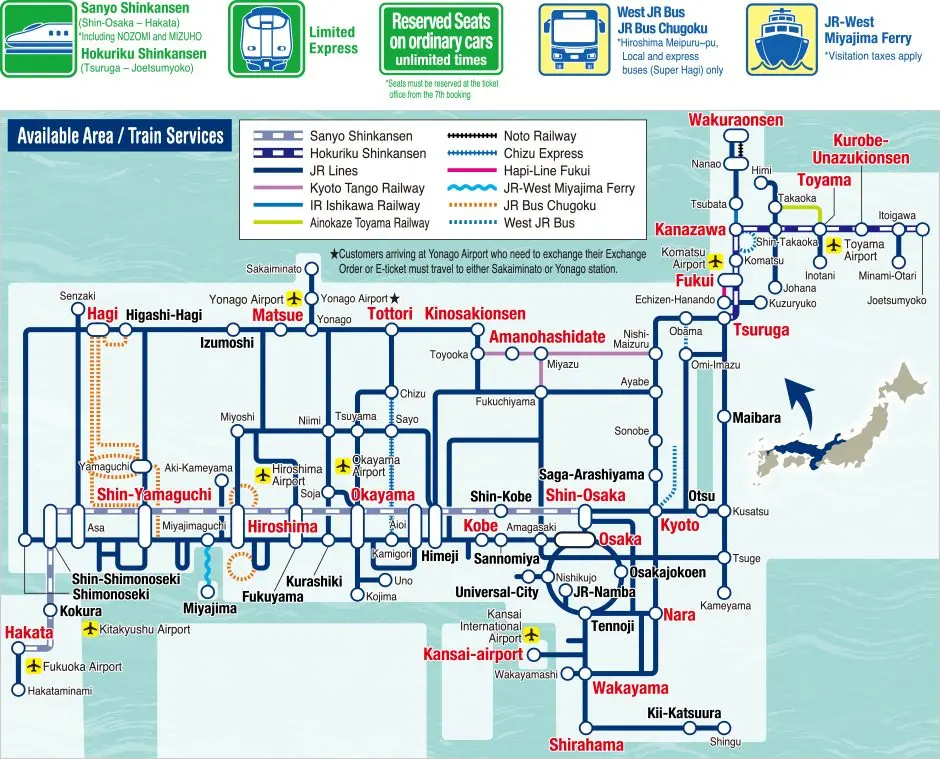
Image Source:Copyright © WEST JAPAN RAILWAY COMPANY all rights reserved.
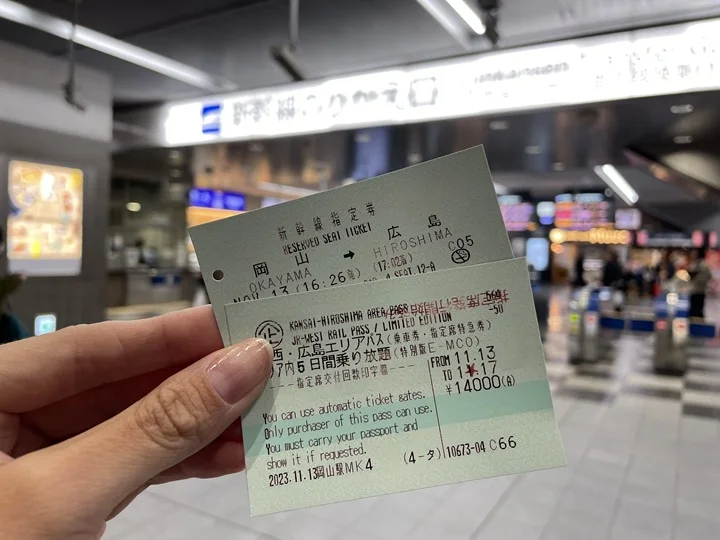
If you choose to view cherry blossoms in the Kansai region and still want more, or if you’d like to travel to other parts of Japan, it’s recommended to use the “JR West Rail Pass” offered by JR West!
Extended Kansai Cherry Blossom Tour: Make the Most of the JR West Rail Pass
The JR West Rail Pass covers routes including Osaka and Kobe, and you can even travel as far as Hakata. During the validity period, it allows you to ride designated Shinkansen and limited express trains, making it very convenient for travelers planning to explore multiple cities. For more details about this pass, you can also refer to the official website.
Frequently Asked Questions About Viewing Cherry Blossoms in Japan(FAQ)
Q1:When is the Best Time to See Cherry Blossoms in Japan? How Long Does the Full Bloom Last?
The cherry blossom season in Japan spans a long period, typically starting in late March in the Honshu region and extending northward to Hokkaido by May. Due to Japan’s long, narrow geography, southern areas like Kyushu and Shikoku bloom earliest, while northern regions such as Tohoku and Hokkaido bloom later.
As for the much-anticipated full bloom, the peak viewing period usually lasts only about 5 to 7 days. If strong winds or heavy rain occur during this time, the fragile petals may be blown or washed away, so catching the perfect cherry blossom moment often requires a bit of luck.
Q2:Which Cherry Blossom Variety Best Represents Japan? And What If It Rains During Your Hanami Trip?
When it comes to the most iconic cherry blossom in Japan, it’s definitely the Somei Yoshino. Not only is it the most common variety, but it also serves as the benchmark for most bloom forecasts. As for the weather, there’s no need to worry too much. While continuous heavy rain can accelerate petal fall, light drizzle can actually enhance a tranquil, wistful atmosphere, giving your photos a more poetic and story-like quality. However, if strong winds or storms occur, it’s best to adjust your plans indoors to avoid losing the full bloom experience.
Q3:Are There Any Taboos When Viewing Cherry Blossoms in Japan? How Should You Handle Trash and Seating?
While enjoying the beautiful scenery, it’s important to be a considerate traveler. Cherry trees have shallow roots, and their flowers and branches are very fragile. When viewing, be sure not to touch, break, or shake the branches, as this can damage the trees. Additionally, if you have a picnic under the cherry trees, make sure to sort your trash properly or take it with you to keep the environment clean.
Finally, keep in mind that each park or viewing spot has its own specific hanami rules. It’s best to check the regulations online before you go, so you can enjoy the blossoms responsibly and have a pleasant experience.
Whether strolling along the river to admire the blossoms or sitting on a picnic mat enjoying the drifting petals, these are moments worth savoring and remembering. We hope this article helps you better plan your cherry blossom trip. Don’t forget to follow hanami etiquette and take the time to fully appreciate the springtime charm that Japan’s cherry blossoms convey.