

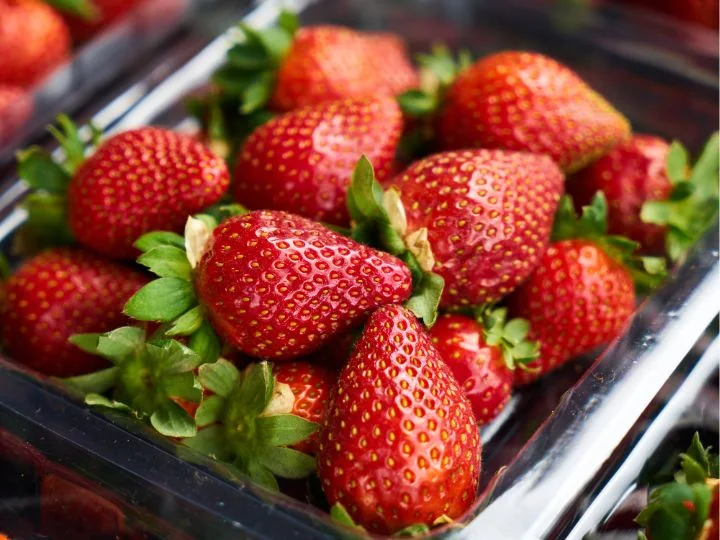
Japan’s strawberry season begins! A complete look at 8 highly popular Japanese strawberry varieties!
Japanese strawberries are in peak season from December to May, when they are at their sweetest and most abundant. With so many varieties differing in sweetness, acidity, and texture, choosing one at the supermarket can be overwhelming. This article introduces 8 recommended Japanese strawberry varieties. If you see them, just grab them. You won’t go wrong!
Who are Japan’s three major strawberry brands? Get to know Amaou, Tochiotome, and Benihoppe
Fukuoka | Amaou
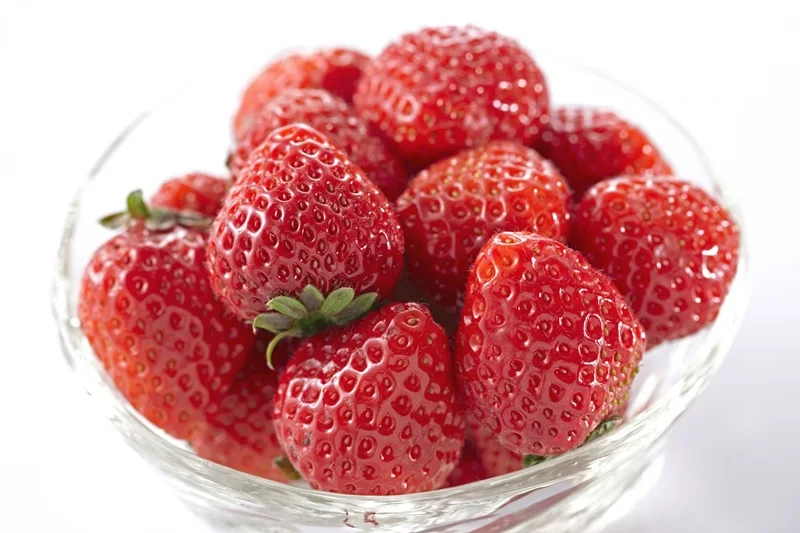
imege sourse:photo AC
Season: December–May
The name comes from the first syllables of the Japanese words for sweet, round, big, and delicious. Most Amaou strawberries weigh over 20 grams and have a plump, rounded appearance. Their balance of sweetness and acidity, along with their vibrant red color, is considered top-tier.
Tochigi | Tochiotome
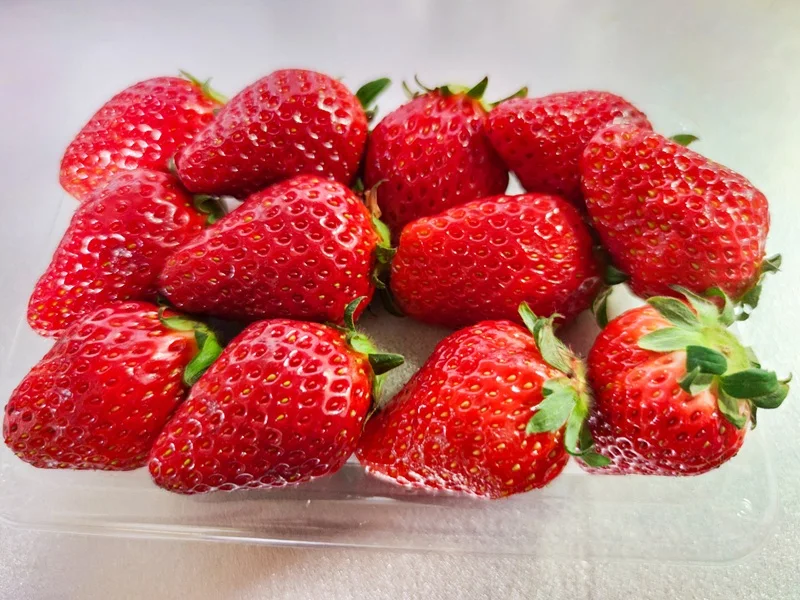
imege sourse:photo AC
Season: December–May
Tochigi Prefecture is Japan’s top strawberry-producing region, and Tochiotome holds the largest market share in eastern Japan. The fruit is relatively large, with bright red skin and flesh, high sugar content, and moderate acidity. Thanks to its stable flavor and high yield, it is commonly found in supermarkets across Japan.
Shizuoka | Benihoppe
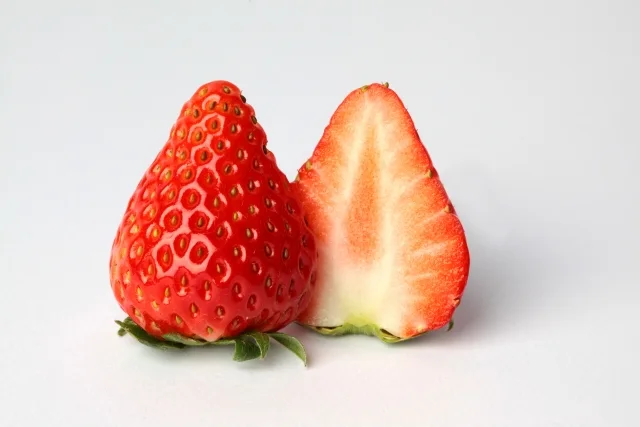
imege sourse:photo AC
Season: January–May
The name means “so delicious your cheeks fall off,” and it is one of Japan’s representative branded strawberries. Its standout feature is its vivid red color, not only on the skin but also in the center of the flesh. Both sweetness and acidity are pronounced, delivering a classic strawberry sweet-and-tart flavor. The fruit is also relatively large.
Beyond the big three: other highly popular Japanese strawberry varieties
Saitama | Amarin
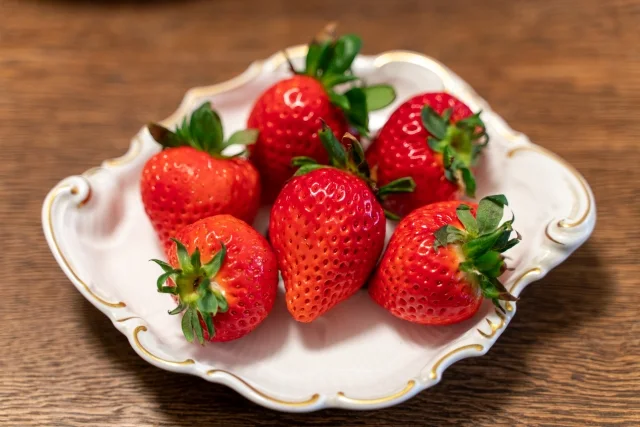
imege sourse:photo AC
Season: December–May
A branded strawberry from Saitama Prefecture with an average sugar content of around 18–20 Brix. The fruit is bright red, intensely sweet, and melts in your mouth. It is relatively large and has a beautiful conical shape, making it ideal as a gift.
Tochigi | Tochiaika
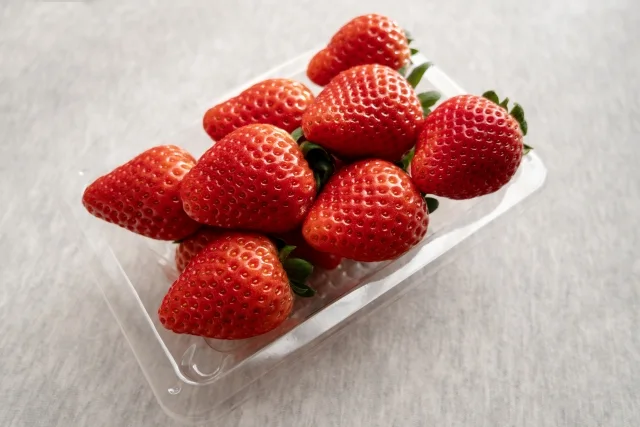
imege sourse:photo AC
Season: December–May
A newer branded strawberry developed after Tochiotome. It features low acidity and a clean, refreshing sweetness. The flesh is firmer and stores well, with large fruit and a bright red appearance.
Saga | Sagahonoka
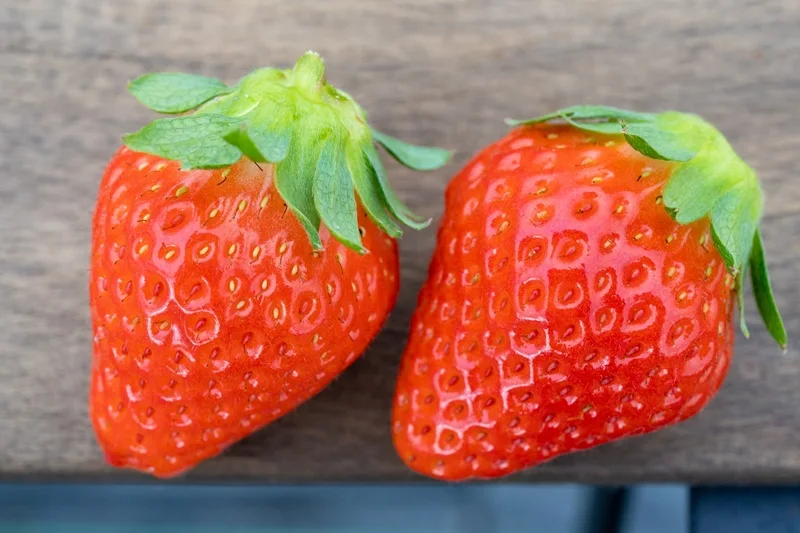
imege sourse:photo AC
Season: January–May
As the name suggests, this strawberry comes from Saga Prefecture. It is very sweet, mildly acidic, and juicy. Compared to other varieties, it has a more noticeable aroma, allowing you to enjoy a gentle strawberry fragrance.
Aichi | Yumenoka
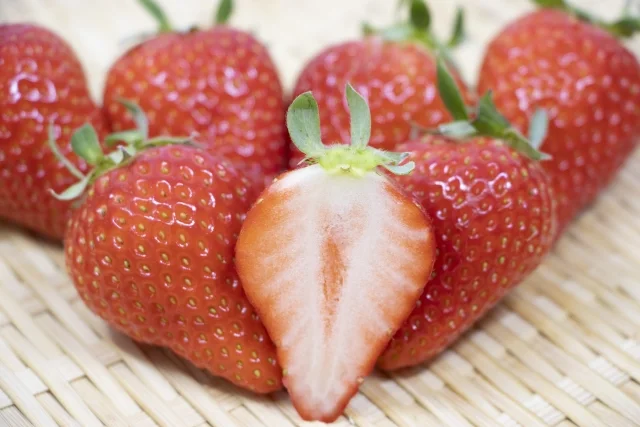
imege sourse:photo AC
Season: December–May
Juicy with a refreshing sweet-and-tart flavor, and long-lasting, making it commonly seen in supermarkets. It was developed to complement the weaknesses of Tochiotome and Akihime. The name comes from the idea of “a delicious strawberry that makes everyone’s dreams come true.” In terms of size, sweetness-acidity balance, juiciness, and vibrant red color, it is very well-balanced.
Shizuoka | Akihime
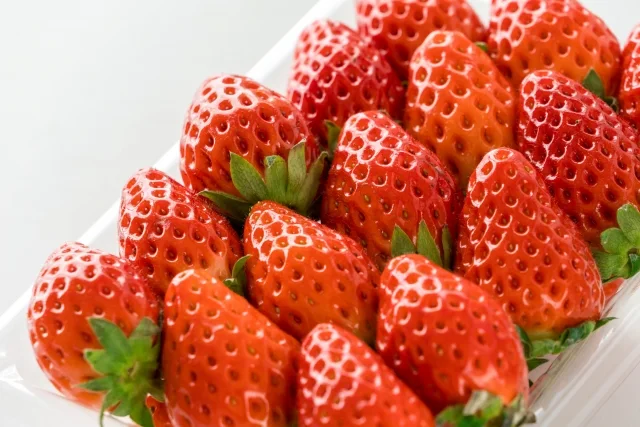
imege sourse:photo AC
Season: December–May
Long and slender with a clean conical shape. It is very sweet with low acidity, and the flesh is soft with a gentle texture, making it easy for children to eat. The skin is deep red, the flesh is tender, and the sweetness stands out.
Japanese strawberry flavor comparison chart | Quickly find your perfect strawberry
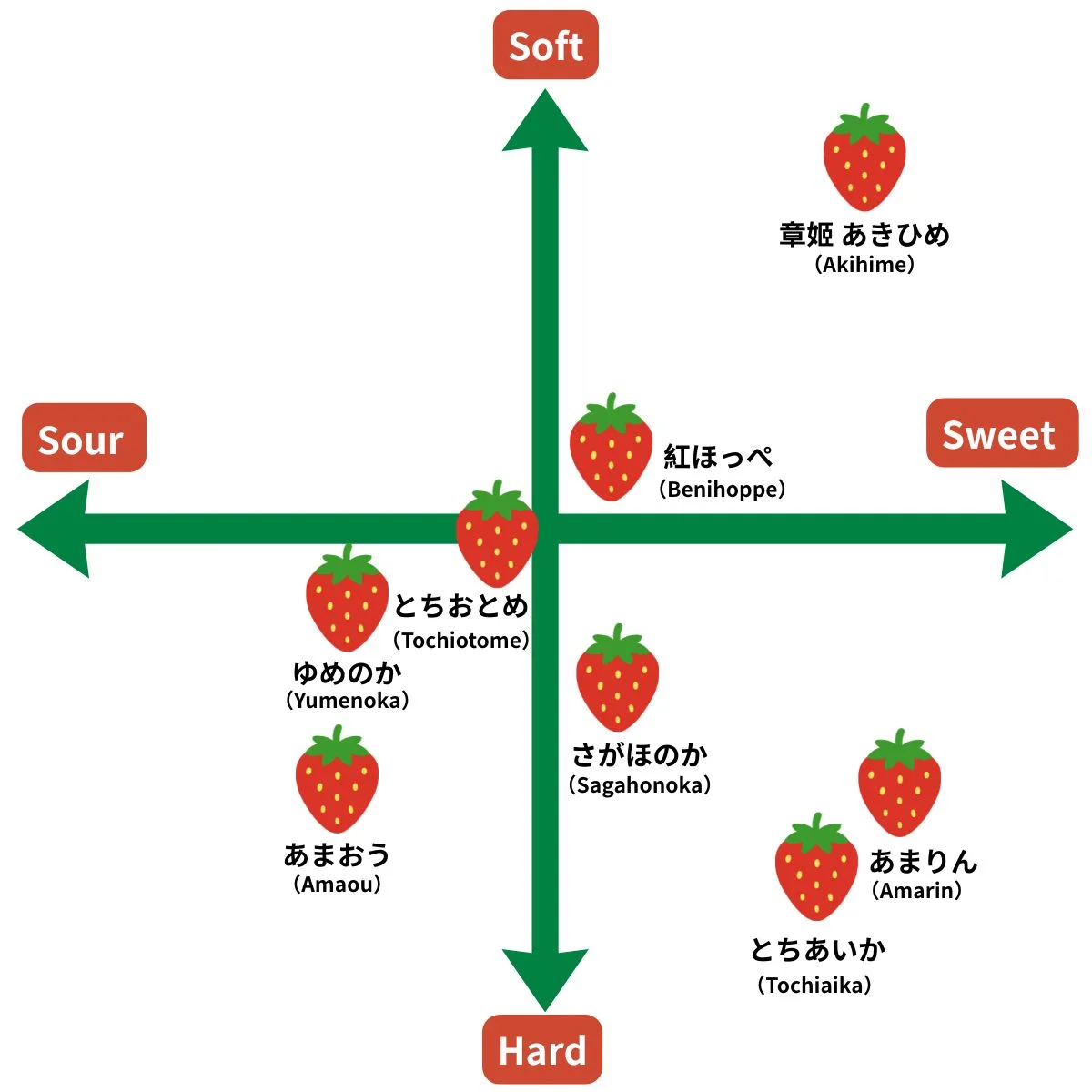
Do you prefer pure sweetness or a sweet-and-tart taste? Firm flesh or a softer texture? When buying strawberries in Japan, simply refer to this flavor comparison chart to quickly identify the variety that best matches your preferences in sweetness, acidity, and texture, and avoid disappointing choices.
More Japanese strawberry flavor comparison charts
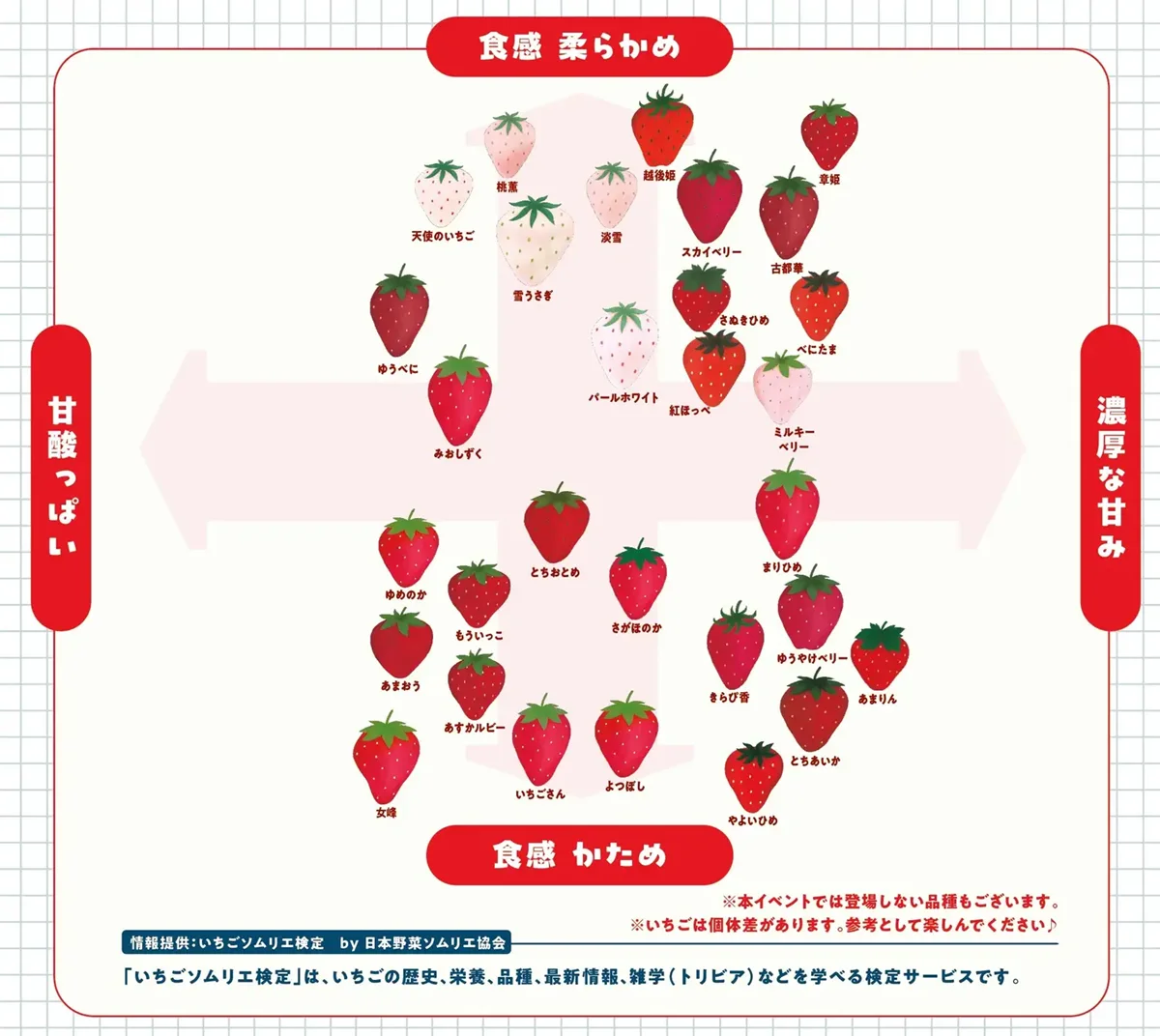
imege sourse:Copyright © PR TIMES Corporation All Rights Reserved.
If the strawberry variety you see in the supermarket does not appear in this chart, don’t worry. You can refer to this additional chart, which includes even more Japanese strawberry varieties, and you will surely find one that suits your taste.
Chart guide: ↑ Soft / ↓ Firm / ← Sour / → Sweet