

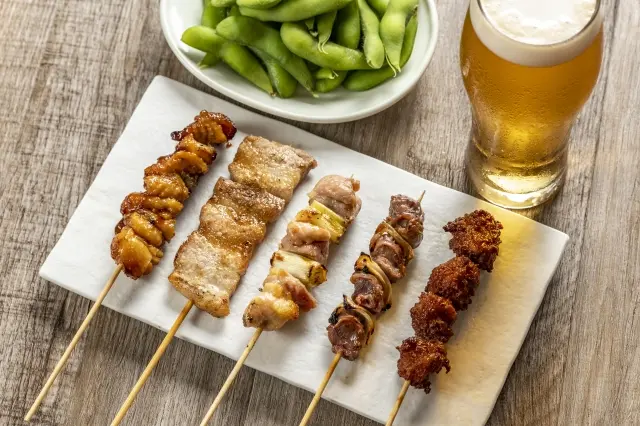
Intimidated by all the Japanese on a yakitori menu? This guide walks you through yakitori’s origins, common menu items, and recommended restaurants, so you’ll never be lost when ordering in Japan!
What’s the Origin of the Name “Yakitori”?
What’s commonly called grilled chicken skewers is known in Japanese as 焼鳥 (yakitori). The word 焼 (yaki) means “grilled,” while 鳥 (tori) generally refers to chicken. The name dates back to the Heian period, when records show people were eating birds, although the style was different from modern yakitori.
By the Edo period, cookbooks began describing chicken skewered on bamboo sticks and grilled, considered the prototype of modern yakitori. With the lifting of meat-eating restrictions in the Meiji era and the rise of street-food stalls, yakitori gradually became popular among common people and evolved into the classic dish now indispensable in izakayas.
How to Order and Enjoy Yakitori Like a Pro?
Yakitori generally comes in two flavors: salty shio (しお) and sauce tare (たれ). Shio highlights the natural flavor and aroma of the meat, while tare lets you enjoy the unique sauce of each restaurant. You can choose according to your preference. Also, after finishing your skewers, don’t forget to place the bamboo sticks in the designated container. It’s a small gesture of respect for the restaurant!
Introduction to Different Chicken Cuts
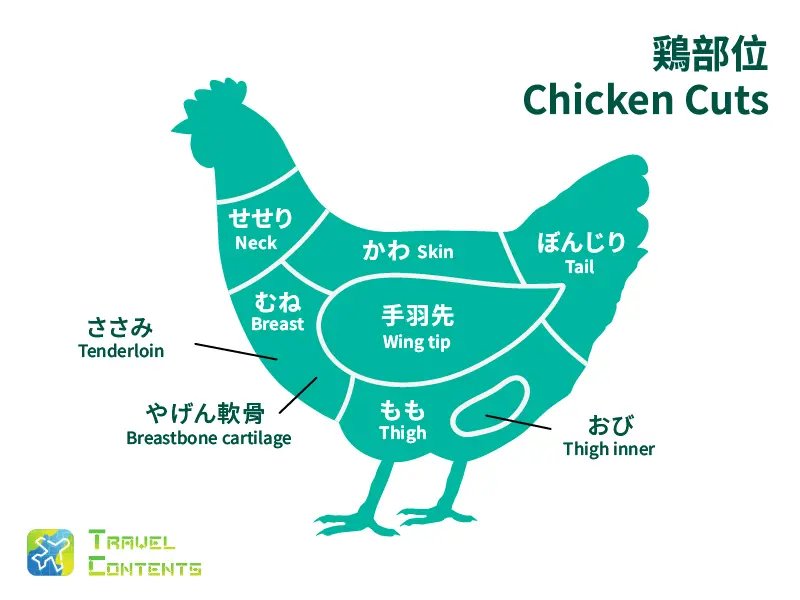
| Japanese | English |
| もも (momo) | Thigh |
| Moderately fatty with a juicy texture. | |
| おび(obi) | Thigh inner |
| The inner part of the chicken thigh, known for its tenderness. | |
| むね (mune) | Breast |
| Light and refreshing in texture, with less fat. | |
| ねぎま (negima) | Chicken & Leek |
| Chicken thigh meat with scallion segments. | |
| かわ (kawa) | Skin |
| Crispy outside, tender inside, with a rich, flavorful aroma. | |
| ささみ (sasami) | Tenderloin |
| Low in fat with a mild flavor. | |
| ぼんじり (bonjiri) | Tail |
| Rich in fat, with a crispy exterior and tender, juicy interior. | |
| 手羽先 (tebasaki) | Wing tip |
| Combines skin, meat, and cartilage, often grilled with salt until the skin is slightly charred. | |
| せせり (seseri) | Neck |
| Moderately fatty with a chewy texture, juicy with a slight cartilage bite. | |
| やげん軟骨 (yakennankotsu) | Breastbone cartilage |
| Cartilage from the front of the breastbone, with a crisp texture, often grilled with salt. | |
A Guide to Chicken Offal
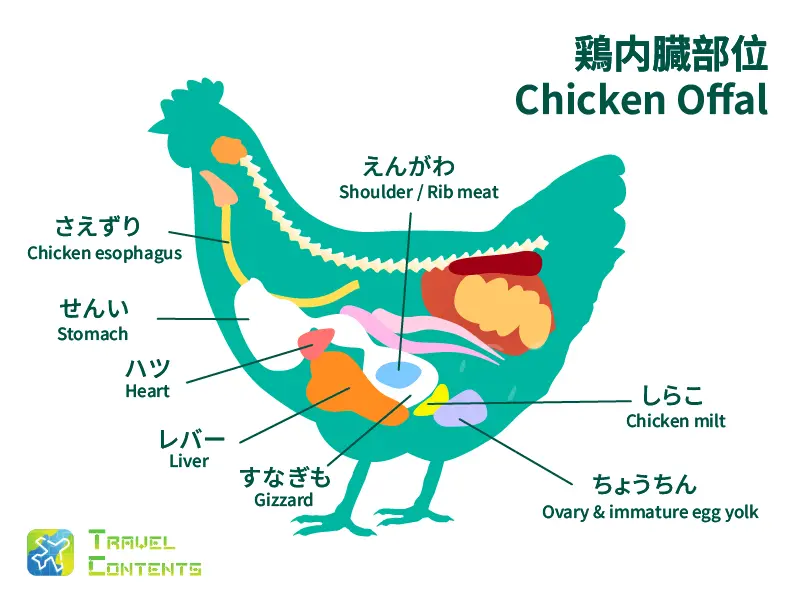
| Japanese | English |
| さえずり (saezuri) | Chicken esophagus |
| Located near the trachea, crisp and springy, with little fat. | |
| ハツ(hatsu) | Heart |
| Chewy and crunchy in texture, with a rich flavor that isn’t overly gamey. | |
| レバー (rebā) | Liver |
| Creamy and flavorful, while “Shiro Reba (白レバー)” is a rare, fattier version of this cut.\ | |
| 砂肝(sunagimo) | Gizzard |
| Crunchy with a satisfying bite. | |
| せんい(seni) | Stomach |
| Texture falls between gizzard and cartilage, with a unique springiness and chewiness; relatively rare. | |
| えんがわ (engawa) | Shoulder / Rib meat |
| Originally referring to the edge of a flounder, in yakitori it refers to the outer part of the gizzard, which is slightly fatty and chewy. | |
| 白子(shirako) | Chicken milt |
| Delicate in texture with a mild flavor. | |
| ちょうちん (chōchin) | Ovary & immature egg yolk |
| Contains the chicken’s ovary and yolk, shaped like a lantern, with a rich and creamy texture. | |
Regional Yakitori: Unique Flavors Across Japan!
Imabari, Ehime │ Teppan Yakitori: Crispy and Fast-Cooked
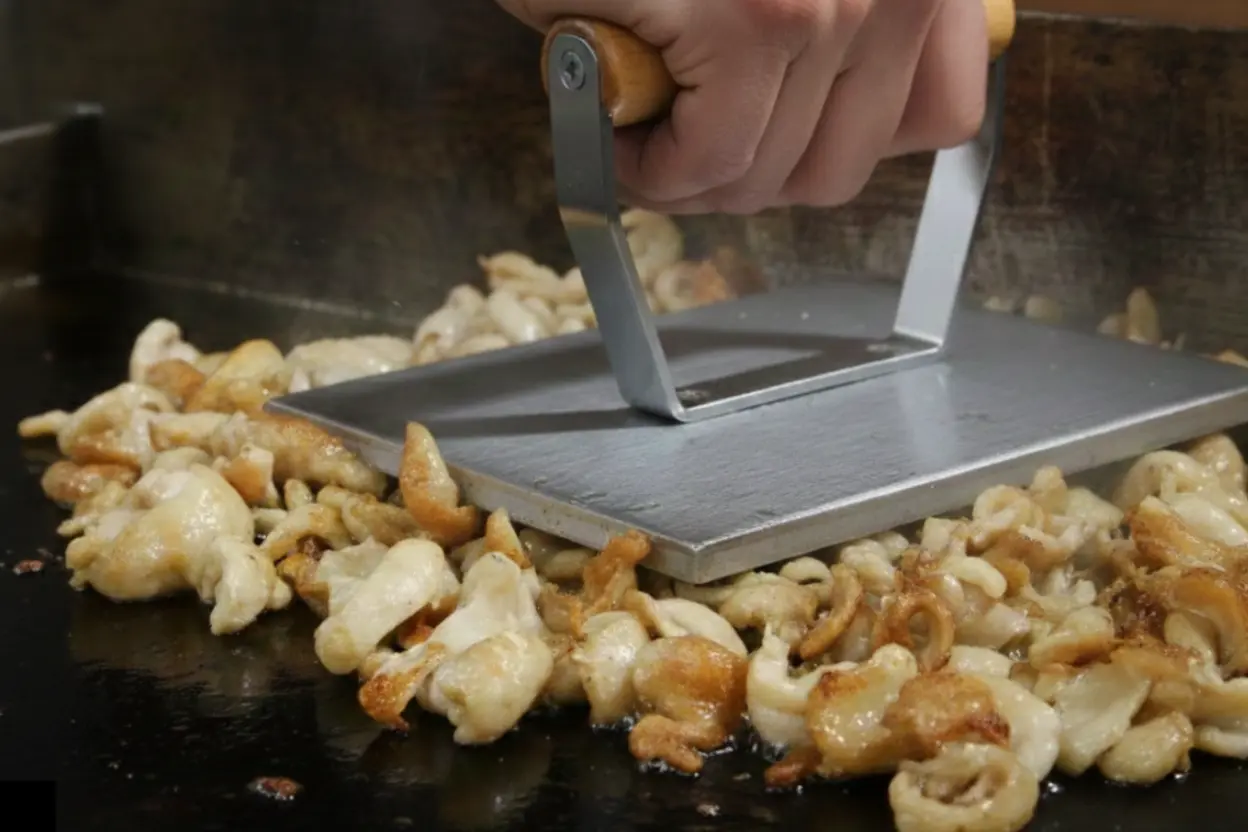
A hallmark of Imabari-style yakitori is that no bamboo skewers are used. The chicken skin is placed directly on a hot iron griddle and pressed with a heavy iron plate, which renders excess fat and crisps the skin. Compared to traditional charcoal-grilled yakitori, teppan-style is served much faster. In Imabari, the typical way to enjoy it is to start with the chicken skin and finish with the local specialty “Senzanki (せんざんき)”!
Hokkaido – Muroran & Bibai │ Don’t Miss the Pork and Offal Skewers!
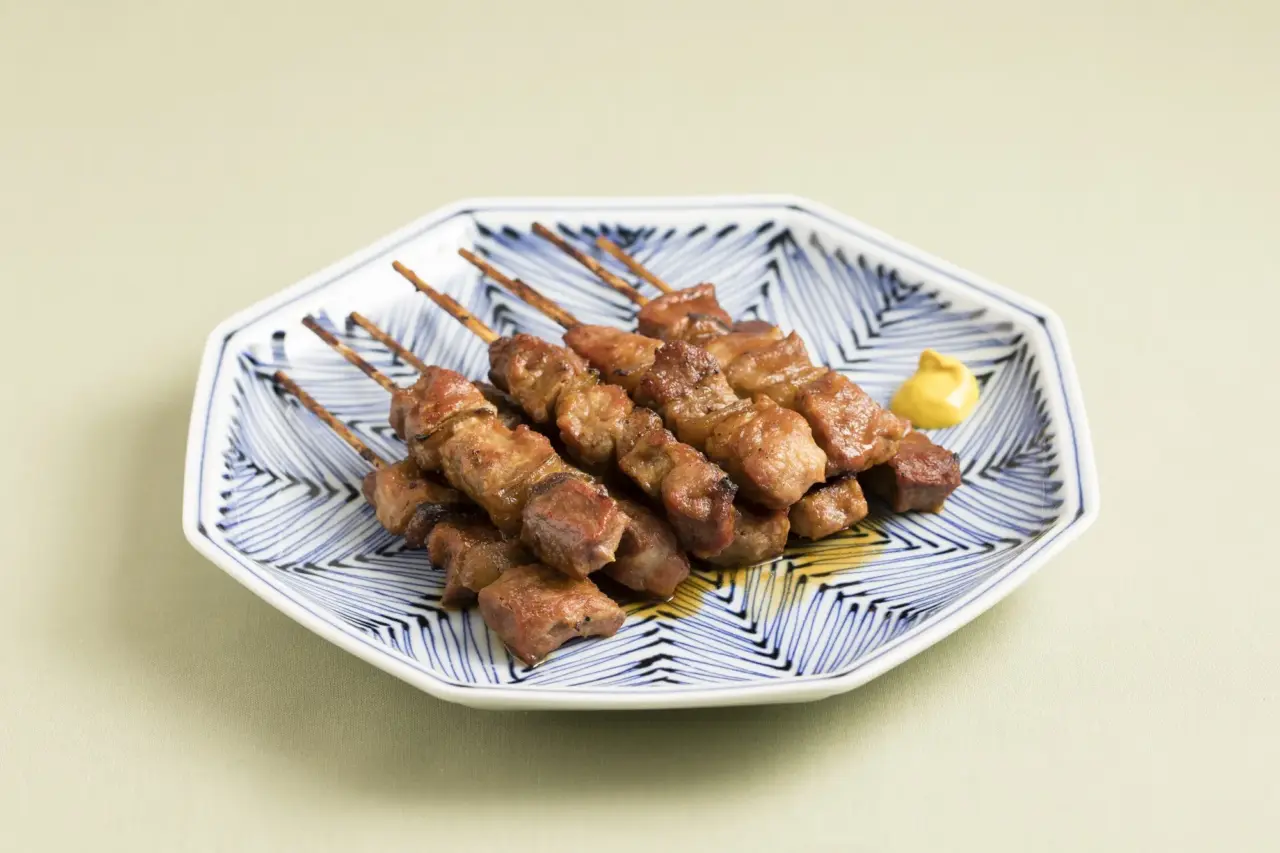
The specialty of Muroran-style yakitori isn’t chicken, but pork skewers with onions. After the Meiji period, pig farming gradually developed in Hokkaido, and today the region ranks third in pork production nationwide in Japan.
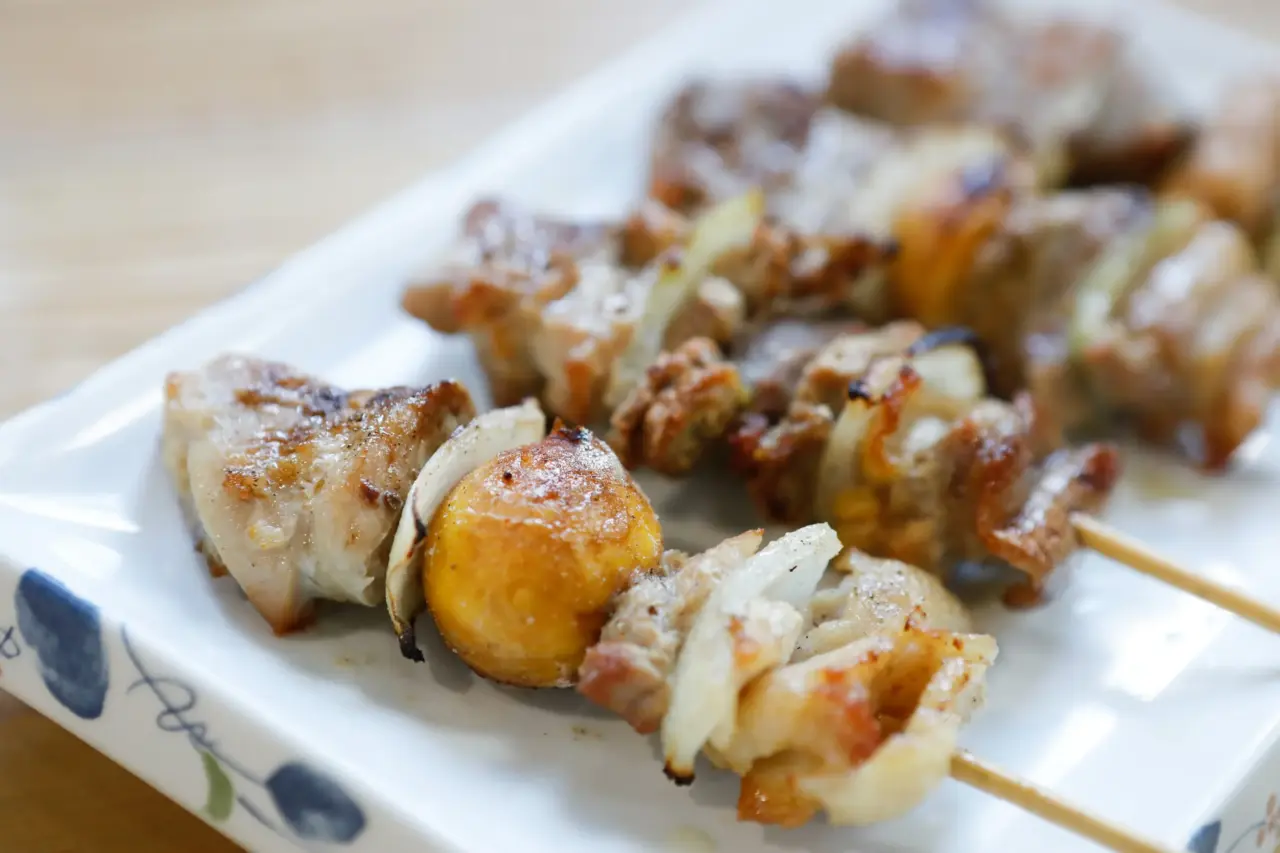
In Bibai, the specialty yakitori features chicken meat, liver, heart, and other parts skewered together with onions, also known as offal skewers (Motsu-kushi). Each bite offers a variety of textures, and they are typically seasoned simply with salt and pepper.
At nationwide chain restaurants in Hokkaido, yakitori usually features chicken. But if you go to local eateries, there’s a high chance you’ll be served pork skewers instead!
Higashimatsuyama, Saitama │ Pork Skewers with Spicy Miso – Simply Delicious!
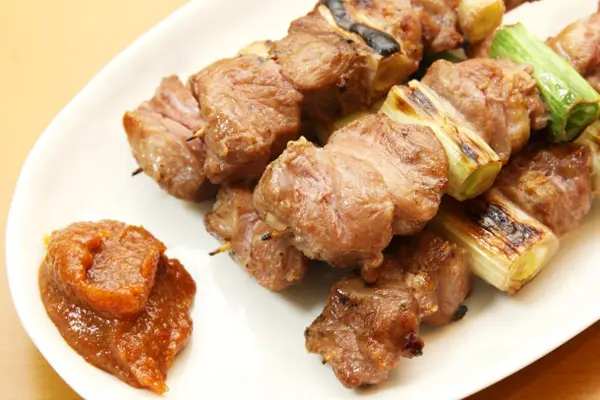
Image Source:©ソウルフード.jp All Rights Reserved.
Yakitori in Higashimatsuyama is famous for pork head meat (Kashira), which comes from the area from the temples to the cheeks. The grilled pork skewers are dipped in a special spicy miso sauce, creating a perfect blend of salty, spicy, and savory flavors. It’s a local must-try specialty.
5 Must-Try Yakitori Restaurants: From Classics to Regional Specialties
Nonotori │ Enjoy Innovative Chicken Dishes in Osaka and Tokyo
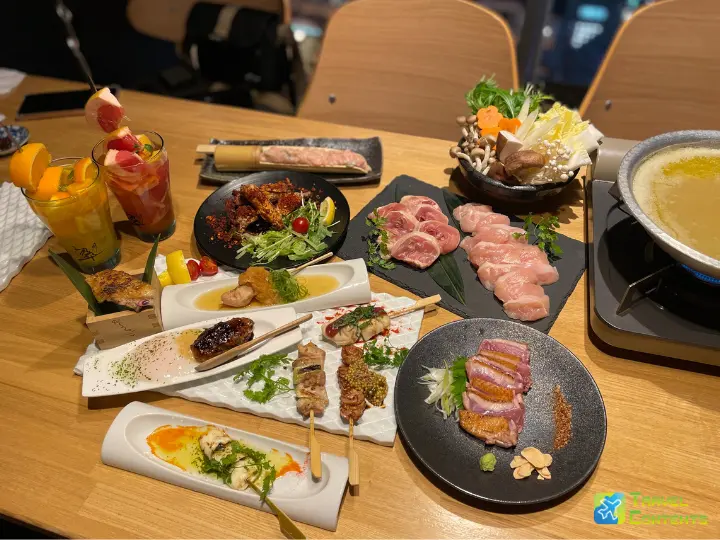
Nonotori specializes in Banshu 100-Day Chicken, which reaches its peak flavor at 100 days, and grills it over Kishu Binchotan charcoal to enhance its taste. In addition to a wide variety of skewers, the restaurant offers many creative chicken dishes. With branches in both Osaka and Tokyo, you won’t have to worry about missing out!
Nonotori – Nihonbashi Branch
- Business Hours: 11:30~14:00/17:00~23:00(Closed on Sundays)
- Official Website, Branch Locator
Yakitori Torisho │ Spicy Miso Pork Skewers
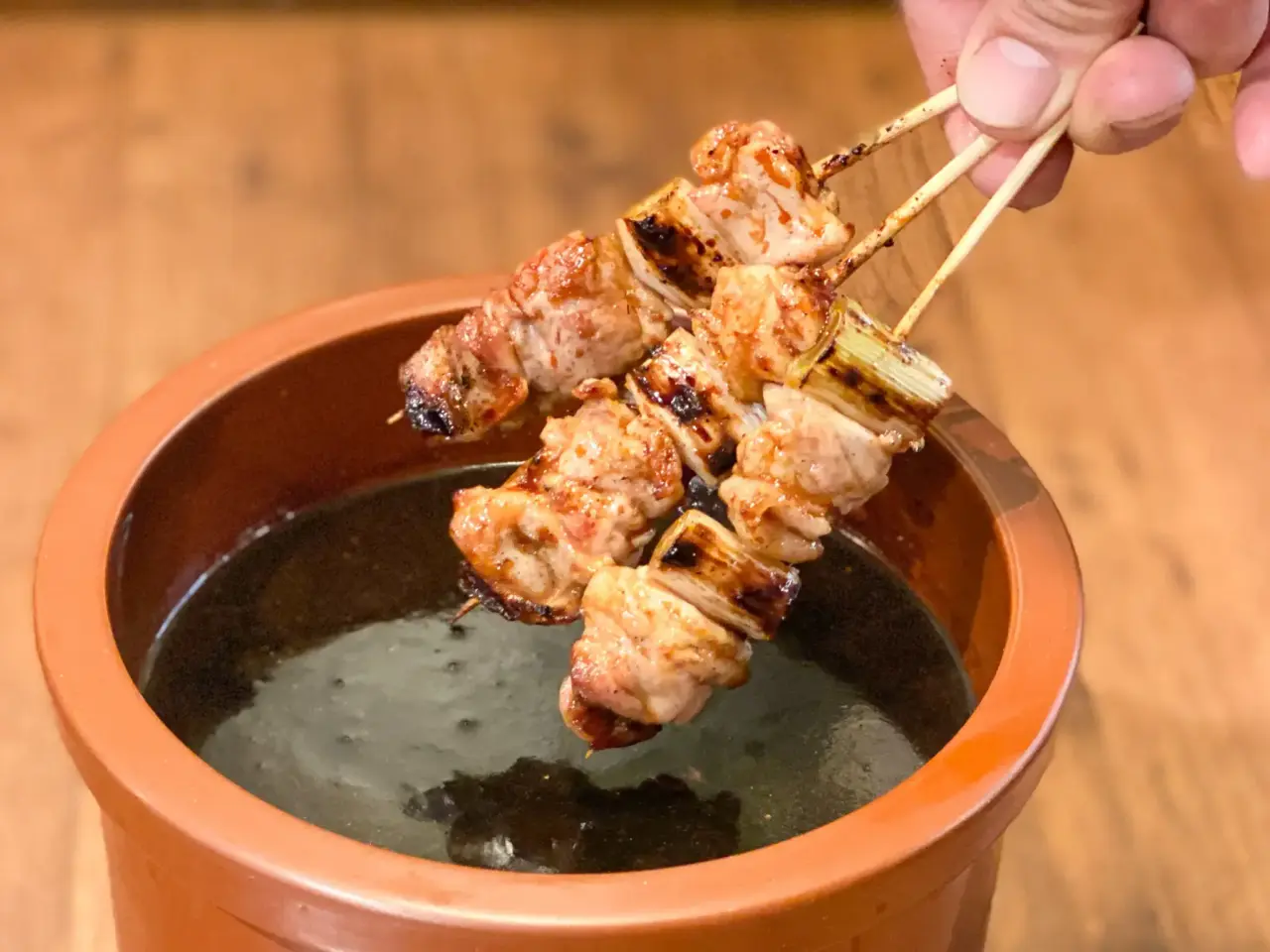
Image Source:Copyright © 2021–2026 やきとり鳥笑
Yakitori Torisho is located in Ueno, Tokyo, about a 4-minute walk from the station. It’s an affordable yakitori izakaya. In addition to classic chicken skewers, their pork skewers are highly recommended, served with the restaurant’s homemade spicy miso sauce. Rich, savory, and slightly spicy, they’re perfect for those who enjoy bold flavors!
Yakitori Torisho – Main Store
- Business Hours: 17:00~23:00/Sat.: 16:00~23:00(Closed on Sundays and National Holidays)
- Branch Locator
Gomitori │ Home of Teppan Yakitori with Unbeatable Crispy Chicken Skin
When it comes to Imabari’s specialty “Teppan Yakitori”, Gomitori is a must-mention. Considered the origin of teppan-style yakitori in Imabari, the restaurant uses an iron griddle to significantly shorten cooking time, making it a favorite among locals. Unlike charcoal-grilled yakitori, teppan yakitori achieves a crispy exterior and rich aroma, and at Gomitori, you can experience the most authentic flavors of Imabari-style yakitori!
- Business Hours:Closed on occasional dates; please refer to the official website for the latest information.
- Address: Chome-1-13 Minamidaimoncho, Imabari, Ehime
- Official Website
Bibai Yakitori Tatsumi │ A 50-Year-Old Restaurant in Bibai, Hokkaido
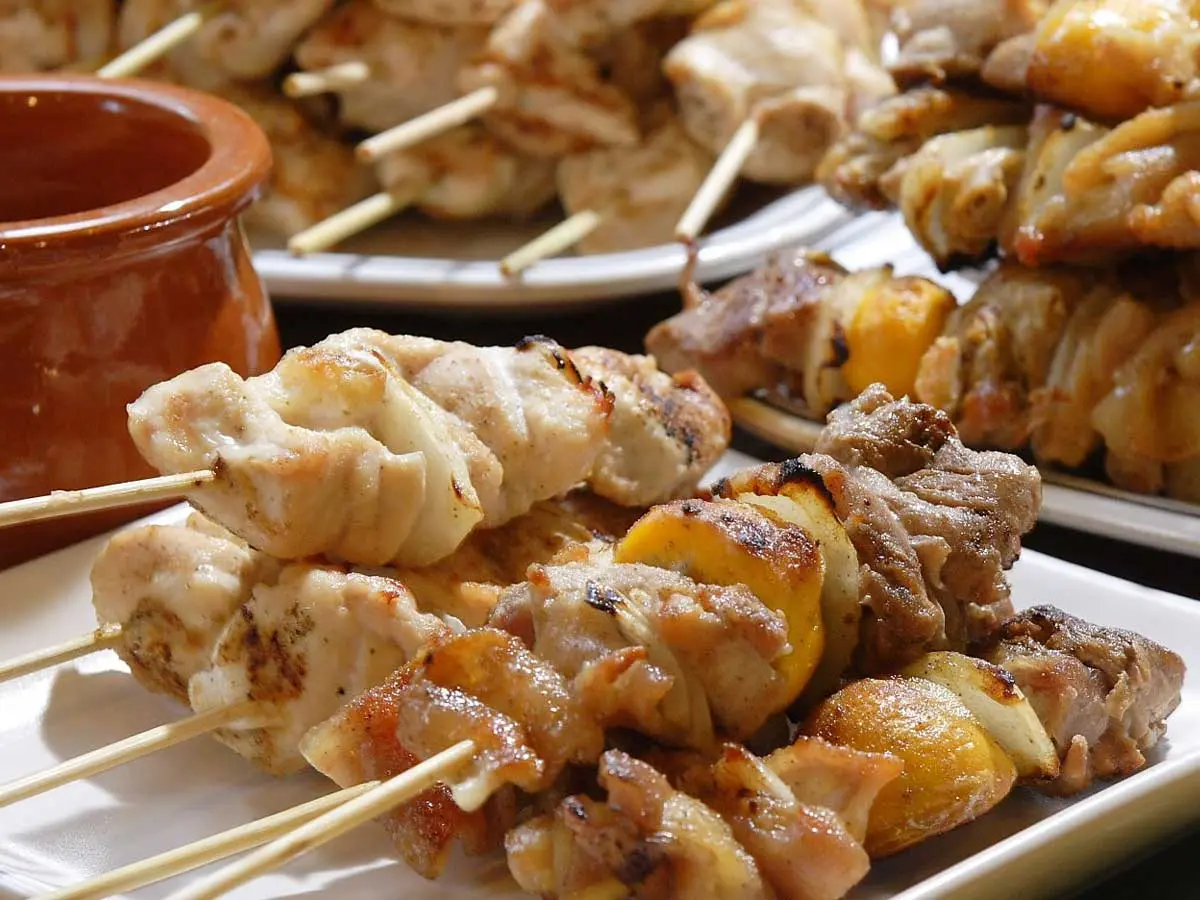
Image Source:焼鳥 たつみ
Bibai Yakitori Tatsumi, established in 1968, is one of the most iconic long-standing yakitori restaurants in Bibai. The restaurant skewers chicken, offal, and onions together, creating rich layers of texture. With each bite, the meat juices and the natural sweetness of the onions mingle in your mouth. It’s highly recommended for tasting the most classic and authentic Bibai-style yakitori.
- Business Hours: 11:00~21:00(Closed on Tuesdays)
- Address: 1 Chome-1-15 Nishi 1 Jominami, Bibai, Hokkaido 072-0024
- Official Website
Yakitori Ippei │ Hokkaido Muroran’s Famous Classic Pork Skewers
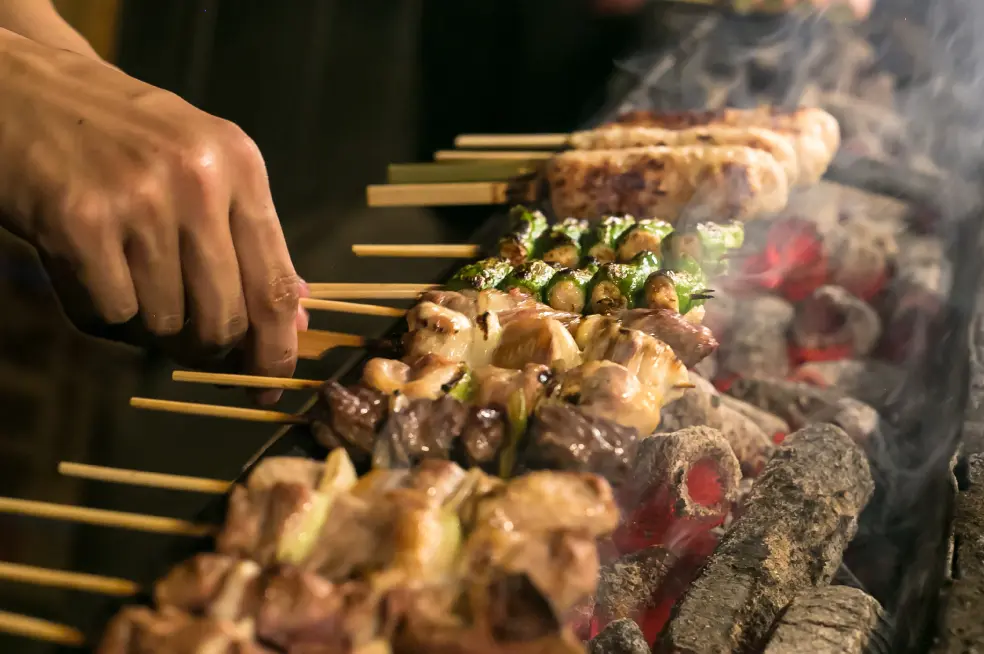
Image Source:© 2021 やきとりの一平本店
Yakitori Ippei, with over 70 years of history, is the place to experience the charm of Muroran-style yakitori! Skewers are made with Hokkaido pork and onions, offering a hearty texture and rich, sweet fat. You can choose to enjoy them with the restaurant’s secret family sauce or simply seasoned with their house-roasted salt—both ways let you savor the full flavor of the ingredients.
Yakitori Ippei Main Store
- Business Hours: 17:00〜23:00/Sun. & National Holidays 17:00〜22:00(Closed from 12/31 to 1/2)
- Address: 1 Chome-17-3 Nakajimacho, Muroran, Hokkaido
- Branch Locator
Business hours at some stores may change occasionally, so it’s best to check the official website for the latest information before visiting!
Yakitori is more than just grilled skewers—it’s a reflection of local culture, regional ingredients, and the craftsmanship of skilled chefs. By understanding the basic ordering methods, the names of different cuts, and regional variations, even first-time visitors can confidently enjoy this beloved Japanese comfort food!
Frequently Asked Questions About Yakitori in Japan(FAQ)
Q:What seasonings are typically used for yakitori?
The most common seasonings are sauce (tare) and salt (shio). Each restaurant has its own unique tare, and if you’re hesitant about offal, choosing the sauce flavor can make it milder. Salt-grilled skewers, on the other hand, let you fully enjoy the natural taste of the meat.
Q:Which yakitori cuts are best for first-timers?
If it’s your first time trying yakitori, start with more familiar cuts such as momo (chicken thigh) or negima (chicken and scallion skewers). If you want to try offal, reba (liver) and hatsu (heart) are recommended. For a taste of specialty cuts, you can try shirako (chicken milt).
Q:Where should you put the skewers after eating?
After finishing your skewers, it’s recommended to place the bamboo sticks in the designated container or bucket provided at the table, rather than leaving them on the table or plate. This is also a common dining etiquette in Japanese yakitori restaurants.